

What is the standard for PPR electrofusion fittings?
As a supplier of PPR electrofusion fittings, I've witnessed firsthand the growing demand for these products in various industries. PPR electrofusion fittings are crucial components in piping systems, offering a reliable and efficient way to connect pipes. But what exactly are the standards for these fittings? Let's delve into this topic to understand the key aspects that define the quality and performance of PPR electrofusion fittings.
Material Standards
The quality of the raw materials used in PPR electrofusion fittings is of utmost importance. Polypropylene random copolymer (PPR) is the primary material for these fittings. High - quality PPR should have excellent chemical resistance, mechanical properties, and thermal stability.
The PPR resin used should meet international standards such as ISO 15874. This standard specifies the requirements for PPR pipes and fittings for hot and cold water installations in buildings. The resin should have a minimum hydrostatic strength, which ensures that the fittings can withstand the pressure of the fluid flowing through the pipes over a long period. For example, under normal operating conditions, PPR electrofusion fittings should be able to handle a certain level of internal pressure without bursting or leaking.
In addition to the base resin, the additives used in the production of PPR electrofusion fittings also play a significant role. Additives such as antioxidants and UV stabilizers are often added to enhance the durability of the fittings. Antioxidants prevent the degradation of the PPR material due to oxidation, which can occur over time, especially when the fittings are exposed to high - temperature water. UV stabilizers protect the fittings from the harmful effects of sunlight if they are installed outdoors.
Dimensional Standards
Accurate dimensions are critical for PPR electrofusion fittings to ensure a proper fit with the pipes. The outer diameter, inner diameter, and wall thickness of the fittings must conform to specific standards. For instance, the nominal outside diameter of PPR electrofusion fittings should match the corresponding pipes according to ISO 4065. This standard provides a series of preferred sizes for PPR pipes and fittings, which helps in ensuring compatibility across different manufacturers.
The length of the electrofusion area on the fittings is also precisely defined. This area is where the electrical current is applied to melt the PPR material and create a strong bond between the fitting and the pipe. If the length of the electrofusion area is too short, the joint may not be strong enough, leading to potential leaks. On the other hand, if it is too long, it may cause excessive melting and deformation of the material.
Performance Standards
The performance of PPR electrofusion fittings is evaluated based on several factors, including pressure resistance, temperature resistance, and joint strength.
Pressure Resistance
As mentioned earlier, PPR electrofusion fittings need to withstand the internal pressure of the fluid in the piping system. Different applications may require different levels of pressure resistance. For domestic water supply systems, the fittings usually need to handle a relatively low - to - medium pressure. However, in industrial applications such as chemical processing plants or high - rise buildings, the fittings may need to withstand much higher pressures. Standards such as EN 12201 specify the pressure classes for PPR pipes and fittings, which helps users select the appropriate products for their specific needs.

Temperature Resistance
PPR electrofusion fittings are designed to operate within a certain temperature range. The maximum and minimum operating temperatures are determined by the properties of the PPR material. In general, PPR fittings can handle hot water up to a certain temperature, usually around 95°C for short - term use and 70°C for long - term use. At low temperatures, the material should remain ductile enough to prevent cracking. Standards like ASTM F2389 provide guidelines on the temperature performance of PPR pipes and fittings.
Joint Strength
The strength of the joint created by electrofusion is a crucial performance indicator. A good joint should have a strength similar to or even higher than that of the pipe itself. This is achieved through proper electrofusion welding parameters, such as the welding time, welding current, and voltage. Manufacturers usually provide detailed instructions on the welding process to ensure a strong and reliable joint. Standards for joint strength testing, such as ISO 13953, specify the methods and requirements for testing the strength of electrofusion joints.
Quality Control Standards
To ensure that PPR electrofusion fittings meet the above - mentioned standards, strict quality control measures are implemented during the manufacturing process. Manufacturers conduct a series of tests on the raw materials, semi - finished products, and finished products.
Raw material testing includes checking the chemical composition, melt flow rate, and density of the PPR resin. This helps to ensure that the raw materials meet the specified quality requirements. During the production process, in - process inspections are carried out to monitor the dimensional accuracy and the quality of the electrofusion area.
Finished products are also subjected to comprehensive testing. This includes hydrostatic pressure testing, where the fittings are filled with water and pressurized to a certain level to check for leaks. Other tests such as impact testing, bending testing, and long - term hydrostatic testing are also performed to evaluate the mechanical properties and durability of the fittings.
Product Range and Applications
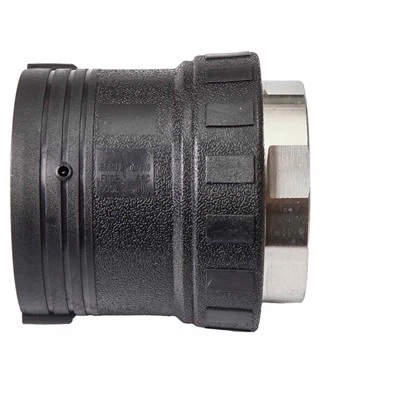
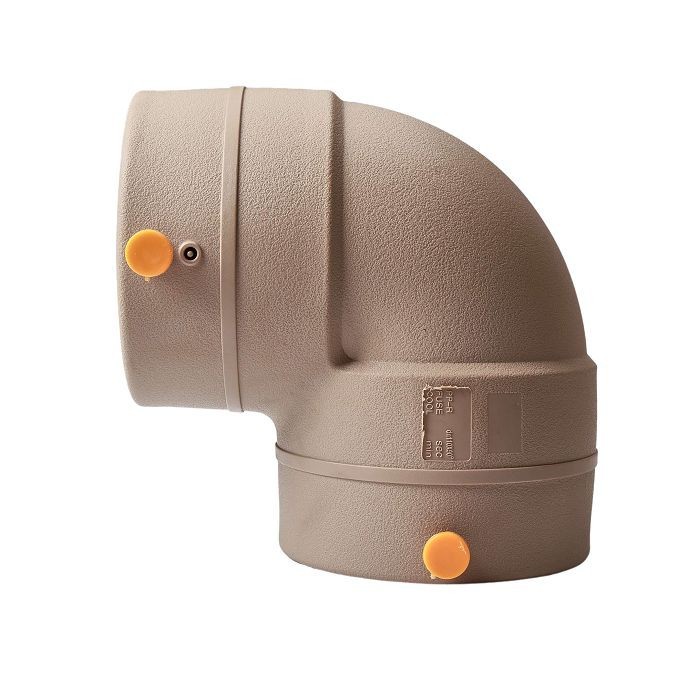
As a supplier, we offer a wide range of PPR electrofusion fittings to meet different customer needs. Our product range includes PPR Electrofusion 45 Degree Elbow, which is used to change the direction of the pipe at a 45 - degree angle. These elbows are designed with precise dimensions and high - quality PPR material to ensure a reliable connection.
We also provide PPR Electrofusion Pipe Fittings, which are used for straight connections between pipes. These fittings come in various sizes to match different pipe diameters.
Another important product in our range is the PPR Electrofusion Flange. Flanges are used to connect pipes to other equipment or components, such as valves or pumps. Our electrofusion flanges are designed to provide a strong and leak - proof connection.
PPR electrofusion fittings are widely used in various applications, including domestic water supply systems, heating systems, and industrial piping systems. In domestic applications, they are used to install hot and cold water pipes in residential buildings. In heating systems, they can be used to connect radiators and boilers. In industrial settings, they are used in chemical processing plants, food and beverage industries, and other fields where the transportation of fluids is required.
Conclusion
In conclusion, the standards for PPR electrofusion fittings cover multiple aspects, including material quality, dimensional accuracy, performance, and quality control. Adhering to these standards is essential to ensure the reliability and safety of the piping systems. As a supplier, we are committed to providing high - quality PPR electrofusion fittings that meet or exceed these standards.
If you are in the market for PPR electrofusion fittings, we invite you to contact us for more information. Our team of experts can help you select the right products for your specific application. Whether you are a contractor, an engineer, or a distributor, we are ready to provide you with the best solutions and excellent customer service.
References
- ISO 15874: Plastics piping systems for hot and cold water installations - Polypropylene (PP) - Part 1: General
- ISO 4065: Thermoplastics pipes and fittings - Dimensions
- EN 12201: Plastic piping systems for water supply - Polypropylene (PP) - Part 1: General
- ASTM F2389: Standard Specification for Polypropylene (PP) Plastic Hot - and Cold - Water Distribution Systems
- ISO 13953: Plastics piping systems - Polyethylene (PE) electrofusion assemblies - Test method for resistance to pulling - out