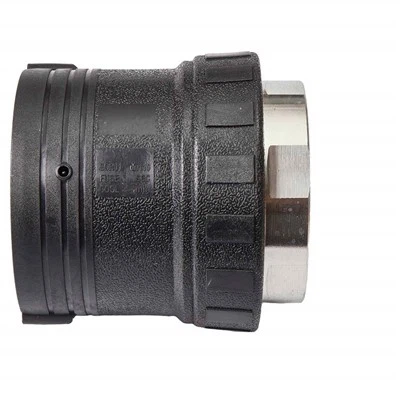


As a supplier of Ppr Electrofusion products, I often get asked about the tolerance for the wall thickness of Ppr Electrofusion pipes. It's a crucial aspect that can significantly impact the performance and reliability of these pipes in various applications. So, let's dive right into it and explore what this tolerance is all about.
Understanding Wall Thickness Tolerance
First off, what exactly is wall thickness tolerance? Well, it's the allowable deviation from the specified wall thickness of the Ppr Electrofusion pipes. In the manufacturing process, it's almost impossible to produce pipes with an exact wall thickness every single time. There are always going to be minor variations due to factors like the manufacturing equipment, raw material properties, and the production environment.


The tolerance is set to ensure that even with these variations, the pipes can still meet the required standards and perform their intended functions effectively. For example, if a pipe is supposed to have a wall thickness of 5mm, the tolerance might allow for a deviation of, say, ±0.5mm. This means the actual wall thickness could range from 4.5mm to 5.5mm and still be considered acceptable.
Why Wall Thickness Tolerance Matters
You might be wondering why this tolerance is such a big deal. Well, the wall thickness of a pipe plays a vital role in its strength, durability, and pressure - bearing capacity. If the wall is too thin, the pipe may not be able to withstand the pressure in the system, leading to leaks or even pipe failure. On the other hand, if the wall is too thick, it could add unnecessary cost and weight to the project.
In applications where Ppr Electrofusion pipes are used for transporting fluids under high pressure, like in water supply systems or industrial pipelines, the correct wall thickness is crucial. A pipe with a wall thickness within the specified tolerance ensures that the system operates safely and efficiently.
Factors Affecting Wall Thickness Tolerance
There are several factors that can influence the wall thickness tolerance of Ppr Electrofusion pipes. One of the main factors is the manufacturing process itself. Different manufacturing techniques may have different levels of precision. For instance, extrusion is a common method for making Ppr pipes. The speed of the extrusion process, the temperature control, and the quality of the extrusion die can all affect the final wall thickness of the pipes.
The quality of the raw materials also plays a significant role. If the raw PPR material has inconsistent properties, it can lead to variations in the wall thickness. Additionally, environmental factors during the manufacturing process, such as humidity and temperature, can impact the cooling and solidification of the pipes, which in turn affects the wall thickness.
Industry Standards for Wall Thickness Tolerance
In the industry, there are specific standards that define the acceptable wall thickness tolerance for Ppr Electrofusion pipes. These standards are set by organizations like the International Organization for Standardization (ISO) and the American Society for Testing and Materials (ASTM). For example, ISO 15874 specifies the requirements for PPR pipes, including the wall thickness tolerance.
Compliance with these standards is essential for ensuring the quality and safety of the pipes. As a supplier, we make sure that our Ppr Electrofusion pipes meet or exceed these industry standards. This gives our customers the confidence that they are getting high - quality products that will perform well in their applications.
Our Product Range and Wall Thickness Tolerance
We offer a wide range of Ppr Electrofusion products, including PPR Electrofusion 45 Degree Elbow, Electrofusion PPR, and PPR Electrofusion Flange. All of these products are manufactured with strict control over the wall thickness tolerance.
Our manufacturing process is designed to minimize variations in wall thickness. We use state - of - the - art equipment and advanced quality control measures to ensure that each pipe and fitting meets the required specifications. This attention to detail means that our customers can rely on our products for long - term performance and reliability.
How We Ensure Wall Thickness Quality
To ensure the quality of the wall thickness in our Ppr Electrofusion pipes, we have a multi - step quality control process. First, we carefully select the raw materials from reliable suppliers. We test the raw materials to ensure they meet our quality standards before using them in production.
During the manufacturing process, we use advanced sensors and monitoring systems to continuously measure the wall thickness of the pipes. If any deviation from the specified tolerance is detected, the production process is adjusted immediately. After production, we conduct further testing on a sample of the pipes to confirm that they meet the required wall thickness and other quality criteria.
Importance of Choosing the Right Supplier
When it comes to purchasing Ppr Electrofusion pipes, choosing the right supplier is crucial. A reliable supplier will not only provide products with the correct wall thickness tolerance but also offer excellent customer service and technical support.
As a supplier, we understand the importance of meeting our customers' needs. We are committed to providing high - quality Ppr Electrofusion products at competitive prices. Our team of experts is always available to answer any questions you may have about our products, including wall thickness tolerance and installation requirements.
Conclusion
In conclusion, the tolerance for the wall thickness of Ppr Electrofusion pipes is an important factor that can affect the performance and safety of your piping system. It's essential to choose pipes that meet the industry standards and have a consistent wall thickness within the specified tolerance.
If you're in the market for Ppr Electrofusion products, we invite you to get in touch with us. We'd be more than happy to discuss your requirements and provide you with the best solutions for your project. Whether you need PPR Electrofusion 45 Degree Elbow, Electrofusion PPR, or PPR Electrofusion Flange, we've got you covered.
References
- ISO 15874: Plastics piping systems — Polypropylene (PP) — Specifications for pipes and fittings for hot and cold water installations
- ASTM standards related to PPR pipes and fittings