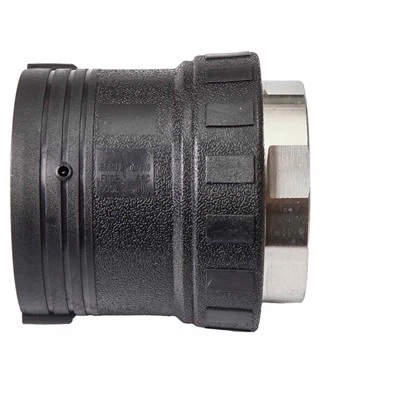


Hey there! As a supplier of Pipe Electrofusion products, I often get asked about the materials used in pipe electrofusion fittings. So, I thought I'd write a blog post to share some insights on this topic.
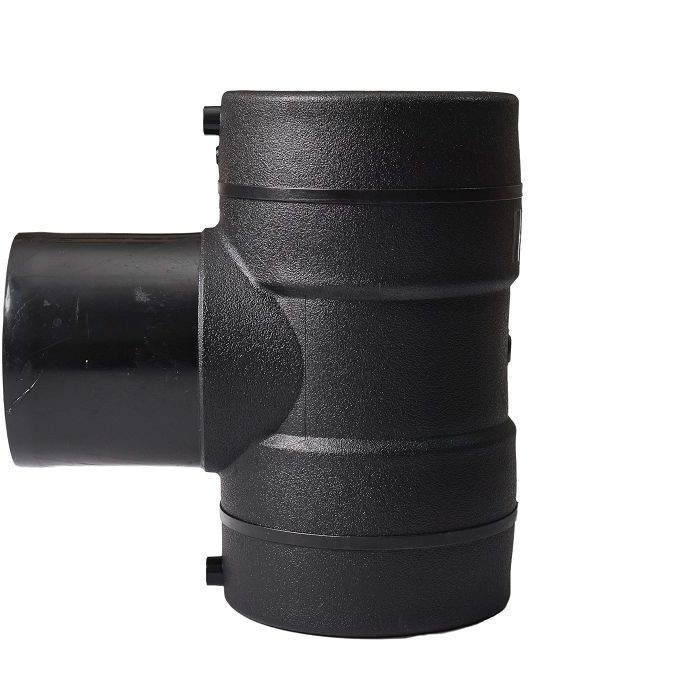

High - Density Polyethylene (HDPE)
One of the most commonly used materials in pipe electrofusion fittings is High - Density Polyethylene, or HDPE for short. HDPE is a thermoplastic polymer that has a whole bunch of advantages.
First off, it's extremely durable. It can withstand a wide range of temperatures, from really cold to pretty warm. This makes it suitable for use in various environments, whether it's in a cold - climate region for water supply pipes or in a relatively warm industrial setting.
HDPE is also resistant to corrosion. Unlike metal pipes, it won't rust or corrode when it comes into contact with water, chemicals, or soil. This means that electrofusion fittings made from HDPE have a longer lifespan, which can save a ton of money in the long run. You don't have to worry about frequent replacements due to corrosion.
Another great thing about HDPE is its flexibility. It can bend to a certain extent without cracking. This is super handy during installation, especially in areas where the pipe needs to be routed around obstacles. You can easily make the necessary bends and turns without having to use a bunch of additional fittings.
If you're interested in HDPE electrofusion fittings, you can check out our Poly Pipe Fusion Fittings and Poly Electrofusion Fittings on our website.
Cross - Linked Polyethylene (PEX)
Cross - Linked Polyethylene, or PEX, is another material used in some electrofusion fittings. PEX is created by chemically cross - linking the polyethylene molecules, which gives it some unique properties.
PEX has excellent resistance to scale and chlorine. In water supply systems, scale buildup can be a real problem as it can reduce the flow rate of water and damage the pipes over time. Chlorine is often added to water for disinfection, and PEX can handle it without degrading easily.
It's also very flexible, even more so than HDPE in many cases. This makes it a popular choice for plumbing systems in residential buildings where pipes need to be installed in tight spaces. You can snake PEX pipes through walls and floors with relative ease.
PEX electrofusion fittings are great for making reliable and leak - free connections in plumbing systems. They are designed to fit snugly with PEX pipes and provide a long - lasting bond when the electrofusion process is carried out correctly.
Polypropylene (PP)
Polypropylene, or PP, is also used in the manufacturing of electrofusion fittings. PP is a lightweight and tough material.
It has good chemical resistance, which means it can be used in applications where the pipes will come into contact with various chemicals. For example, in industrial chemical processing plants, PP electrofusion fittings can be used to connect pipes that carry different types of chemicals.
PP is also resistant to fatigue, which is important in applications where the pipes are subject to repeated stress, such as in some water pumping systems. The fittings made from PP can withstand the constant pressure changes and vibrations without failing.
Other Materials and Additives
Sometimes, other materials and additives are used in combination with the main polymers to enhance the properties of the electrofusion fittings. For example, antioxidants can be added to prevent the polymer from degrading due to oxidation over time. UV stabilizers are used when the fittings will be exposed to sunlight to prevent the polymer from becoming brittle and cracked.
Fillers may also be added in some cases. These can be things like talc or calcium carbonate. Fillers can improve the stiffness and dimensional stability of the fittings, but they need to be used in the right proportion to avoid affecting the fusion properties of the material.
The Electrofusion Process and Material Compatibility
When it comes to the electrofusion process, material compatibility is crucial. The electrofusion fitting and the pipe it's connecting to need to be made from compatible materials. If they're not, the bond formed during the electrofusion process may not be strong enough, which can lead to leaks or even pipe failures later on.
During electrofusion, an electric current is passed through the heating coils embedded in the fitting. The heat generated melts the inner surface of the fitting and the outer surface of the pipe, and they fuse together. For this to work properly, the melting points and flow properties of the materials in the fitting and the pipe need to be similar.
As a supplier, we make sure that all our electrofusion fittings are designed to be compatible with the corresponding pipes. We test our products rigorously to ensure that the electrofusion process results in a strong and reliable connection.
Our Product Range
We offer a wide range of electrofusion fittings, including Electrofusion End Cap. These end caps are used to seal the ends of pipes, and they are made from high - quality materials to ensure a tight and leak - proof seal.
Whether you need fittings for a small - scale plumbing project or a large - scale industrial application, we've got you covered. Our team of experts is always ready to help you choose the right materials and fittings for your specific needs.
Contact Us for Procurement
If you're in the market for pipe electrofusion fittings, we'd love to hear from you. Whether you have questions about the materials we use, the product specifications, or the pricing, don't hesitate to reach out. We can provide you with detailed information and samples if needed. Let's start a discussion about your procurement requirements and see how we can work together to meet your needs.
References
- "Plastics in Pipe Systems" - A technical guide on the use of plastics in pipe applications.
- "Handbook of Polymer Science and Technology" - A comprehensive resource on polymer materials and their properties.