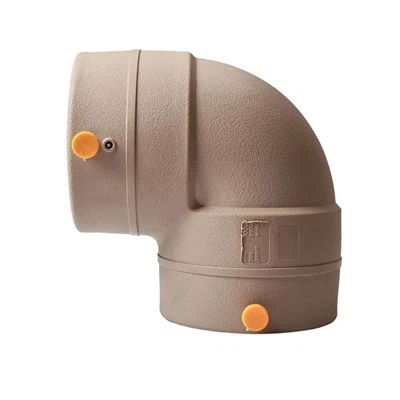


Electrofusion couplers are essential components in modern piping systems, especially those using high-density polyethylene (HDPE) pipes. As a leading supplier of electrofusion couplers, I am often asked about their working principle. In this blog post, I will delve into the details of how electrofusion couplers work, their advantages, and their applications.
The Basics of Electrofusion Couplers
Electrofusion couplers are used to join HDPE pipes together in a secure and leak - proof manner. They are made of HDPE material with an embedded heating element, usually in the form of a coil of resistance wire. The coupler is designed to fit snugly around the ends of the pipes to be joined.
The concept behind electrofusion is based on the principle of resistive heating. When an electric current is passed through the embedded heating element, the resistance of the wire causes it to heat up. This heat is then transferred to the surrounding HDPE material of the coupler and the pipes, melting the plastic at the interface. As the melted plastic cools and solidifies, a strong, homogeneous joint is formed between the coupler and the pipes.
The Working Process of Electrofusion Couplers
1. Preparation
Before the fusion process begins, proper preparation is crucial. First, the ends of the HDPE pipes to be joined must be cleaned thoroughly to remove any dirt, grease, or oxidation. This ensures a good contact between the pipe surface and the coupler. The pipes are then cut to the appropriate length, and the outer diameter of the pipes should match the inner diameter of the electrofusion coupler precisely.
2. Installation of the Coupler
The electrofusion coupler is slid over one end of the first pipe until it reaches the correct position. The second pipe is then inserted into the other end of the coupler. It is important to ensure that the pipes are inserted fully and centered within the coupler to achieve a uniform joint.
3. Electrical Connection
Once the coupler is in place, an electrofusion welding machine is connected to the coupler's terminals. These terminals are connected to the embedded heating element inside the coupler. The welding machine is programmed with the appropriate welding parameters, such as voltage, current, and welding time. These parameters are determined by the size and type of the coupler and the pipes being joined.
4. Fusion Process
When the welding machine is activated, an electric current is sent through the heating element. The resistance of the wire causes it to heat up rapidly, reaching a temperature high enough to melt the HDPE material. The heat is transferred to the inner surface of the coupler and the outer surface of the pipes, creating a molten plastic layer at the interface.
As the plastic melts, it flows and mixes together, creating a homogeneous mass. The welding machine maintains the current for the specified welding time to ensure that the melting and mixing process is complete. During this time, the pressure inside the coupler increases slightly due to the expansion of the molten plastic.
5. Cooling and Solidification
After the welding time is complete, the current is switched off, and the molten plastic begins to cool and solidify. This cooling process is critical as it determines the strength and integrity of the joint. The joint should be allowed to cool naturally without any external interference or stress. The cooling time also depends on the size of the joint and the ambient temperature.


Advantages of Electrofusion Couplers
1. Strong and Reliable Joints
The joints created by electrofusion couplers are extremely strong and reliable. Since the joint is formed by melting and fusing the plastic material, it becomes a single, homogeneous piece. This results in a joint that has the same strength and durability as the pipes themselves, reducing the risk of leaks and failures.
2. Leak - Proof
Electrofusion joints are virtually leak - proof. The homogeneous nature of the joint eliminates the possibility of gaps or seams where leaks could occur. This makes electrofusion couplers ideal for applications where leak prevention is critical, such as in gas and water distribution systems.
3. Easy Installation
Compared to other joining methods, electrofusion is relatively easy to install. It does not require complex tools or highly skilled labor. With proper training, workers can quickly learn how to use electrofusion welding machines and install the couplers correctly.
4. Suitable for Various Pipe Sizes and Applications
Electrofusion couplers are available in a wide range of sizes to accommodate different pipe diameters. They can be used in various applications, including water supply, gas distribution, sewage systems, and industrial piping.
Applications of Electrofusion Couplers
1. Water Supply Systems
In water supply systems, electrofusion couplers are used to join HDPE pipes for both potable water and wastewater applications. The leak - proof joints ensure that there is no contamination of the water supply and that the system operates efficiently.
2. Gas Distribution Systems
For gas distribution, electrofusion couplers are essential for creating safe and reliable joints. The strong joints prevent gas leaks, which can be extremely dangerous. HDPE pipes joined with electrofusion couplers are resistant to corrosion and can withstand the pressure and environmental conditions of gas distribution networks.
3. Industrial Piping
In industrial settings, electrofusion couplers are used to connect HDPE pipes for transporting various chemicals, slurries, and other fluids. The chemical resistance of HDPE and the strength of the electrofusion joints make them suitable for these demanding applications.
Our Product Range
As a supplier of electrofusion couplers, we offer a wide range of products to meet the diverse needs of our customers. Our HDPE Pipe Electrofusion Fittings are designed to provide high - quality, reliable joints for HDPE pipes. We also have Electrofusion HDPE Coupler in different sizes and specifications to suit various applications. Additionally, our Fitting HDPE Electrofusion products are manufactured to the highest standards, ensuring excellent performance and durability.
Contact Us for Procurement
If you are in need of electrofusion couplers for your piping projects, we invite you to contact us for procurement. Our team of experts can provide you with detailed information about our products, help you select the right couplers for your specific needs, and offer technical support throughout the installation process. We are committed to providing high - quality products and excellent customer service.
References
- "Plastic Pipes Handbook" by Berndt - Michael Rittweger
- "HDPE Pipe Systems: Design, Installation, and Maintenance" by various industry experts