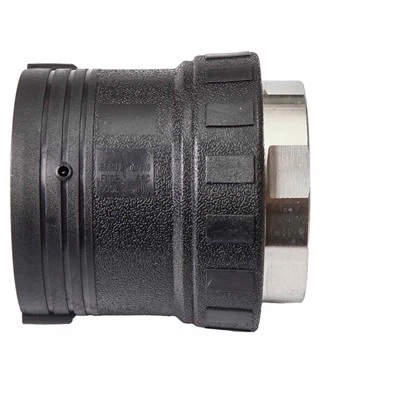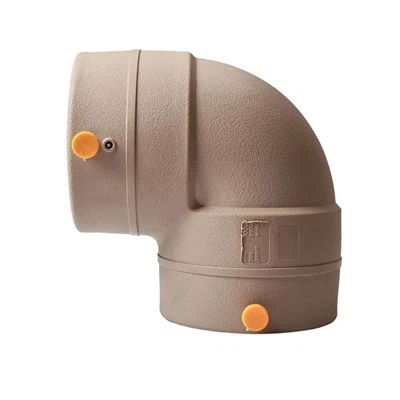


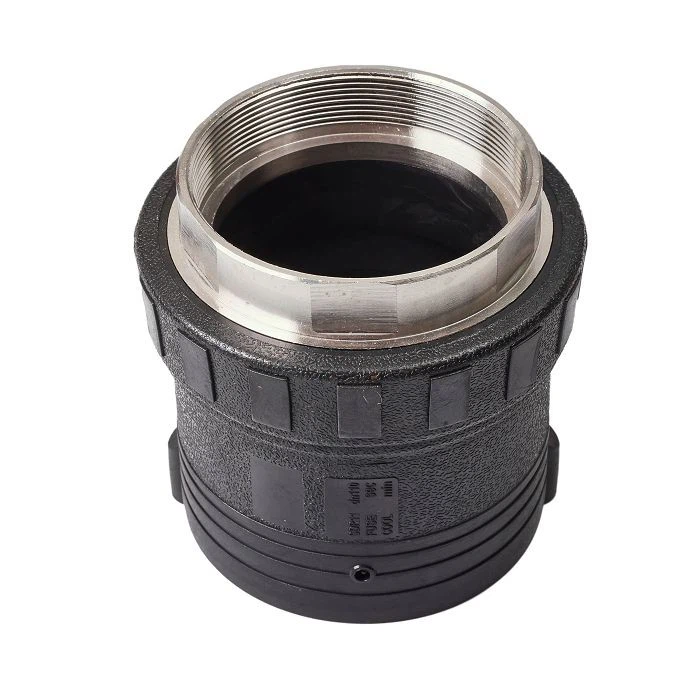
As a trusted supplier of HDPE male adaptors, I often get asked about the standards these crucial components meet. HDPE, or High-Density Polyethylene, male adaptors are essential in various piping systems due to their durability, chemical resistance, and ease of installation. In this blog, I'll delve into the key standards that HDPE male adaptors adhere to, providing you with a comprehensive understanding of their quality and reliability.

ASTM Standards
One of the most widely recognized sets of standards for HDPE products, including male adaptors, is established by the American Society for Testing and Materials (ASTM). ASTM standards ensure that products meet specific criteria for performance, quality, and safety.
ASTM D3350
ASTM D3350 is the standard specification for polyethylene plastics pipe and fitting materials. This standard classifies HDPE materials based on their physical and chemical properties, such as density, melt index, and hydrostatic design basis (HDB). HDPE male adaptors made from materials that meet ASTM D3350 are guaranteed to have consistent quality and performance characteristics. The HDB value, for example, indicates the long-term strength of the material under pressure, which is crucial for ensuring the adaptor can withstand the demands of the piping system.
ASTM F1055
ASTM F1055 covers the standard specification for transition fittings between polyethylene (PE) and other thermoplastic pipes and fittings. This standard is particularly relevant for HDPE male adaptors as it provides guidelines for the design, materials, and performance of these transition fittings. It ensures that the adaptors can be safely and effectively used to connect HDPE pipes to pipes made of other materials, such as PVC or metal. The standard includes requirements for dimensions, pressure ratings, and joint integrity, which are all critical factors in the proper functioning of the adaptor.
ISO Standards
The International Organization for Standardization (ISO) also plays a significant role in setting global standards for HDPE products. ISO standards are recognized and followed in many countries around the world, ensuring a high level of quality and compatibility across different regions.
ISO 4427
ISO 4427 is the international standard for polyethylene (PE) pipes for water supply. This standard covers the materials, dimensions, performance requirements, and testing methods for PE pipes and fittings, including HDPE male adaptors. It specifies the requirements for the raw materials used in the production of the adaptors, such as the density, melt flow rate, and oxidation induction time. ISO 4427 also includes requirements for the hydrostatic pressure testing of the pipes and fittings to ensure they can withstand the specified pressure ratings over a long period of time.
ISO 12162
ISO 12162 classifies polyethylene materials for pipes and fittings based on their performance characteristics. This standard helps in selecting the appropriate HDPE material for the male adaptors based on the specific requirements of the piping system. It provides a classification system that takes into account factors such as the long-term hydrostatic strength, the environmental stress crack resistance, and the slow crack growth resistance of the material. By using HDPE male adaptors made from materials that meet ISO 12162, you can be confident that the adaptors will perform reliably in the intended application.
Other Relevant Standards
In addition to ASTM and ISO standards, there are other industry-specific standards that HDPE male adaptors may need to meet depending on their application.
NSF/ANSI 61
NSF/ANSI 61 is the standard for drinking water system components - health effects. This standard is crucial for HDPE male adaptors that are used in potable water applications. It ensures that the materials used in the adaptors are safe for contact with drinking water and do not leach harmful substances into the water. The standard includes requirements for the testing of the materials for various contaminants, such as heavy metals and organic compounds, to ensure they meet the strict health and safety standards.
Quality Control in Production
At our company, we understand the importance of adhering to these standards and ensuring the highest quality of our HDPE male adaptors. We have a rigorous quality control process in place throughout the production cycle.
Raw Material Inspection
We start by carefully selecting high-quality HDPE raw materials that meet the relevant ASTM, ISO, and other standards. Our raw materials are sourced from reputable suppliers and are thoroughly inspected upon arrival to ensure they meet our strict quality requirements. We test the materials for their physical and chemical properties, such as density, melt index, and HDB, to ensure they are suitable for the production of our male adaptors.
Manufacturing Process Control
During the manufacturing process, we use state-of-the-art equipment and techniques to ensure the consistent quality of our adaptors. Our production facilities are equipped with advanced injection molding machines that are capable of producing adaptors with precise dimensions and high accuracy. We closely monitor the manufacturing process, including the temperature, pressure, and cooling time, to ensure that the adaptors are produced to the highest quality standards.
Final Product Testing
Once the adaptors are manufactured, they undergo a series of final product tests to ensure they meet all the relevant standards. We conduct hydrostatic pressure tests to verify the pressure ratings of the adaptors, as well as tests for joint integrity and leak resistance. Our quality control team also performs visual inspections to check for any surface defects or irregularities. Only after passing all these tests are our HDPE male adaptors approved for shipment.
Applications of HDPE Male Adaptors
HDPE male adaptors are used in a wide range of applications due to their excellent properties.
Water Supply Systems
In water supply systems, HDPE male adaptors are used to connect HDPE pipes to other components, such as valves, meters, and pumps. Their chemical resistance and durability make them ideal for handling potable water and ensuring a reliable water supply. They can also be used to connect HDPE pipes to pipes made of other materials, such as PVC or metal, in different parts of the water distribution network.
Irrigation Systems
Irrigation systems also benefit from the use of HDPE male adaptors. They are used to connect HDPE pipes to sprinklers, drip emitters, and other irrigation components. The adaptors' ability to withstand pressure and resist corrosion makes them suitable for outdoor applications where they may be exposed to various environmental conditions.
Industrial Piping Systems
In industrial settings, HDPE male adaptors are used in a variety of piping systems, such as chemical processing, wastewater treatment, and food and beverage production. Their chemical resistance makes them suitable for handling a wide range of chemicals and fluids, while their durability ensures they can withstand the harsh conditions often found in industrial environments.
Related Products
We also offer a range of related products that complement our HDPE male adaptors. For example, our Flange Adaptor for HDPE Pipe is designed to provide a secure and leak-free connection between HDPE pipes and flanged components. Our Poly Flange Adapter is another option that offers a reliable connection for HDPE piping systems. And if you need a female threaded option, our HDPE Female Threaded Adaptor is a great choice.
Conclusion
In conclusion, HDPE male adaptors meet a variety of important standards, including those set by ASTM, ISO, and other industry-specific organizations. These standards ensure the quality, performance, and safety of the adaptors in various applications. At our company, we are committed to producing HDPE male adaptors that meet or exceed these standards. Our strict quality control process from raw material inspection to final product testing ensures that our adaptors are reliable and durable.
If you are in the market for high-quality HDPE male adaptors or any of our related products, we invite you to contact us for more information and to discuss your specific requirements. We are here to provide you with the best solutions for your piping system needs.
References
- ASTM International. (n.d.). ASTM D3350 - Standard Specification for Polyethylene Plastics Pipe and Fitting Materials.
- ASTM International. (n.d.). ASTM F1055 - Standard Specification for Transition Fittings Between Polyethylene (PE) and Other Thermoplastic Pipes and Fittings.
- ISO. (n.d.). ISO 4427 - Polyethylene (PE) pipes for water supply - Specifications.
- ISO. (n.d.). ISO 12162 - Classification of polyethylene materials for pipes and fittings.
- NSF International. (n.d.). NSF/ANSI 61 - Drinking Water System Components - Health Effects.