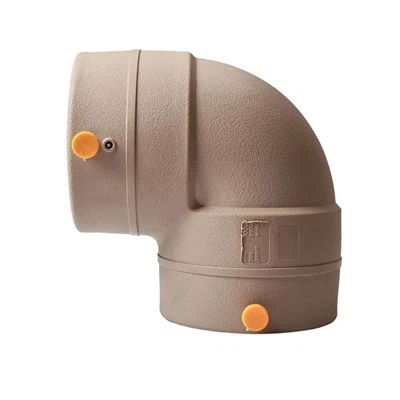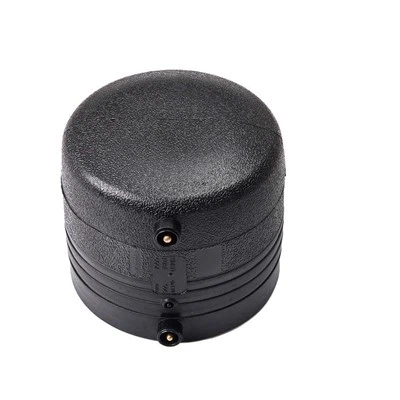

Basic Specifications and Units of Fusion Flanges
As an important pipe connector, fusion flanges are typically designed based on different application scenarios and requirements. Specifications primarily include dimensional parameters such as flange diameter, thickness, and center-to-center distance, which directly impact the flange's pressure-bearing capacity and service life. Fusion flange dimensions are generally measured in millimeters (mm). For example, flange diameter, thickness, and center-to-center distance are all precisely measured in millimeters.
Features and Applications of PE400 Fusion Flanges
The PE400 fusion flange is a common type of fusion flange. Its key features are as follows:
1. Strong Pressure Capacity: Made from high-quality materials and precision-processed, the PE400 fusion flange offers excellent pressure-bearing capacity, capable of withstanding high pipeline pressures.
2. Convenient Installation: Designed for ease of installation, this flange features a compact structure and lightweight design, making it easy for construction workers to handle and install.
3. Excellent Corrosion Resistance: PE400 fusion flanges offer excellent corrosion resistance, enabling long-term stable operation in a variety of harsh environments, reducing maintenance costs.
In terms of application, PE400 fusion flanges are widely used in water supply, drainage, gas, chemical, and other fields, providing a critical guarantee for the safe and stable operation of pipelines.
Factors to Consider When Selecting Fusion Flanges
When selecting a fusion flange, in addition to focusing on specifications and models, you should also consider the following key factors:
1. Operating Pressure and Temperature: Select a fusion flange of appropriate specifications based on the operating pressure and temperature conditions in the actual application scenario to ensure its pressure-bearing capacity and temperature resistance meet your requirements.
2. Material and Craftsmanship: The material and craftsmanship of a fusion flange significantly impact its performance and service life. High-quality materials and advanced processing techniques can enhance the overall performance and service life of the flange.
3. Installation Environment: Consider the specific requirements of the installation environment, such as corrosive media and vibration, and select a fusion flange with appropriate protective measures to ensure it can function properly in harsh environments.