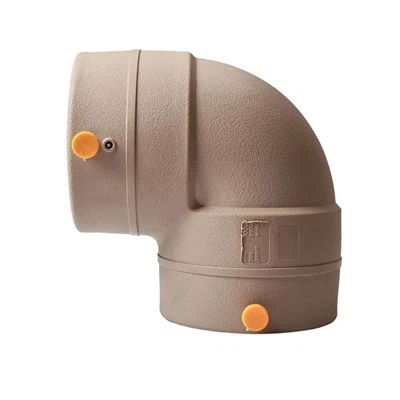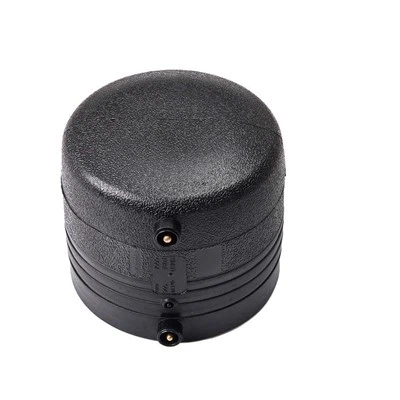

Definition and Structural Differences between Electric Fusion Flanges and Butt-Meet Flanges
1. Electric Fusion Flange:
- Made of thermoplastic materials such as polyethylene (PE) and polypropylene (PP), with a built-in heating wire.
- Electrical heating fuses the flange to the pipe, creating a seamless connection with excellent sealing.
- Typical applications: Plastic piping systems such as gas, water supply and drainage, typically with a pressure range of 0.6-1.6 MPa (refer to GB/T 13663.2-2018).
2. Butt-Meet Flange:
- Mostly made of metal materials such as carbon steel and stainless steel, it consists of a flange plate, bolt holes, and a sealing surface.
- The two flanges are fastened together using bolts, with a gasket between them for sealing. They are removable.
- Typical applications: High-pressure, high-temperature environments such as the petroleum and chemical industries, with pressures exceeding 10 MPa (refer to ASME B16.5 standard).
Key Differences and Selection Recommendations
1. Connection Method:
- Fusion flanges are permanent connections that require specialized equipment (such as an electric fusion welder) and take a long time to install (approximately 30-60 minutes per connection).
- Butt flanges are removable, requiring only common tools and are quick to install (approximately 10-15 minutes per connection).
2. Performance Comparison:
- Sealing: Fusion flanges pose no risk of leakage, while butt flanges rely on gaskets, which may degrade over time.
- Corrosion Resistance: Fusion flanges offer greater chemical resistance, and the material used for butt flanges should be selected based on the medium being used (e.g., 316 stainless steel is acid- and alkali-resistant).
- Cost: Fusion flanges have a low unit price (approximately 50-200 yuan per connection), but require a high equipment investment. Butt flanges have a high unit price (200-1000 yuan per connection), but require low maintenance costs.
3. Application Scenarios:
- Fusion flanges are suitable for applications requiring high sealing performance, such as buried and trenchless projects.
- Butt-joint flanges are suitable for industrial pipelines that require frequent maintenance and are subject to high pressure and high temperature.
Extended Questions
1. Can they be used interchangeably?
- They cannot be directly interchanged. If a system transition is required, a special adapter (such as a steel-plastic conversion flange) is required.
2. Lifespan Differences:
- The lifespan of a fusion flange is approximately 50 years (determined by the aging rate of the plastic). The lifespan of a butt-joint flange depends on the material, but stainless steel can reach over 30 years.