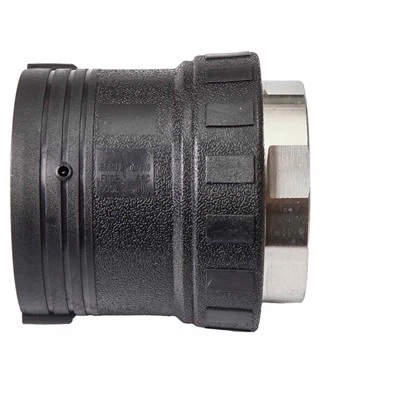


As a supplier of Male Adapter HDPE, I understand the importance of proper storage for these products. HDPE (High-Density Polyethylene) male adapters are widely used in various industries, including plumbing, irrigation, and industrial piping systems. Ensuring their correct storage not only maintains their quality but also extends their service life. In this blog, I will share some scientific and practical methods on how to store Male Adapter HDPE.
1. Storage Environment
The storage environment plays a crucial role in preserving the integrity of Male Adapter HDPE. Here are the key factors to consider:
Temperature
HDPE has a relatively wide temperature tolerance range, but extreme temperatures can still affect its properties. It is recommended to store Male Adapter HDPE in an environment with a temperature between -20°C and 40°C. At low temperatures, HDPE becomes more brittle, increasing the risk of cracking during handling. On the other hand, high temperatures can cause the material to soften and deform. If the storage area is subject to significant temperature fluctuations, it is advisable to use insulation or climate control systems to maintain a stable temperature.
Humidity
Humidity can also have an impact on HDPE products. Although HDPE is a moisture-resistant material, excessive humidity can lead to the growth of mold and mildew on the surface of the adapters, which may affect their appearance and performance. The ideal relative humidity for storing Male Adapter HDPE is between 30% and 70%. To control humidity, you can use dehumidifiers in enclosed storage areas or ensure proper ventilation to prevent the accumulation of moisture.
Sunlight and UV Exposure
Direct sunlight and ultraviolet (UV) radiation can cause the degradation of HDPE over time. UV rays can break down the polymer chains in the material, leading to discoloration, embrittlement, and a reduction in mechanical strength. Therefore, Male Adapter HDPE should be stored in a shaded area or protected from sunlight by using opaque covers or storing them indoors. If outdoor storage is unavoidable, UV-resistant coatings or wraps can be applied to the adapters to minimize the effects of UV exposure.


2. Storage Location
The choice of storage location is also important for the safety and accessibility of Male Adapter HDPE. Here are some suggestions:
Indoor Storage
Indoor storage is generally the preferred option for Male Adapter HDPE. It provides better protection against environmental factors such as temperature, humidity, sunlight, and physical damage. A clean, dry, and well-ventilated warehouse or storage room is ideal. The storage area should be free from chemicals, solvents, and other substances that may react with HDPE. Additionally, it should be protected from pests and rodents to prevent damage to the adapters.
Outdoor Storage
If indoor storage is not available, outdoor storage can be considered, but additional precautions must be taken. The storage area should be on a flat, stable surface to prevent the adapters from rolling or shifting. A waterproof and UV-resistant cover should be used to protect the adapters from rain, snow, and sunlight. It is also important to ensure that the storage area is well-drained to prevent water from pooling around the adapters.
Stacking and Shelving
When storing Male Adapter HDPE, proper stacking and shelving techniques should be used to prevent damage. The adapters should be stacked in a stable manner to avoid toppling over. If possible, use pallets or racks to keep the adapters off the ground and prevent them from coming into contact with moisture or dirt. The stacking height should be limited to prevent excessive pressure on the lower adapters, which may cause deformation.
3. Packaging
Proper packaging is essential for protecting Male Adapter HDPE during storage and transportation. Here are some packaging considerations:
Original Packaging
Whenever possible, keep the Male Adapter HDPE in their original packaging. The original packaging is designed to provide a certain degree of protection against physical damage, dust, and moisture. It also contains important information such as product specifications, batch numbers, and handling instructions.
Additional Packaging
If the original packaging is damaged or not available, additional packaging can be used. Bubble wrap, foam inserts, or plastic bags can be used to provide cushioning and protection for the adapters. The packaging should be sealed tightly to prevent the entry of dust and moisture.
Labeling
Each package of Male Adapter HDPE should be clearly labeled with the product name, size, quantity, and batch number. This makes it easier to identify and locate the products during storage and inventory management. Additionally, labeling can help ensure that the correct products are used in the installation process.
4. Inventory Management
Effective inventory management is crucial for ensuring the quality and availability of Male Adapter HDPE. Here are some inventory management practices:
First-In, First-Out (FIFO)
Implement a FIFO inventory management system to ensure that the oldest stock is used first. This helps prevent the accumulation of outdated products and reduces the risk of product degradation over time. By rotating the stock regularly, you can ensure that the Male Adapter HDPE are used within their recommended shelf life.
Regular Inspection
Regularly inspect the stored Male Adapter HDPE for any signs of damage, deformation, or degradation. Check for cracks, scratches, discoloration, or other defects. If any issues are found, the affected adapters should be removed from the inventory and evaluated for usability. Regular inspections can help identify potential problems early and prevent the use of defective products in the field.
Inventory Tracking
Use an inventory tracking system to keep track of the quantity, location, and movement of Male Adapter HDPE. This can be a simple spreadsheet or a more advanced inventory management software. By maintaining accurate inventory records, you can ensure that you have the right products in stock when needed and avoid overstocking or understocking.
5. Handling and Transportation
Proper handling and transportation are also important for the storage of Male Adapter HDPE. Here are some guidelines:
Handling
When handling Male Adapter HDPE, use appropriate tools and equipment to prevent damage. Avoid dropping, throwing, or hitting the adapters, as this can cause cracks or other defects. Use gloves to prevent fingerprints and dirt from accumulating on the surface of the adapters.
Transportation
During transportation, the Male Adapter HDPE should be protected from vibration, shock, and physical damage. Use padded containers or crates to cushion the adapters and prevent them from moving around. If possible, transport the adapters in a climate-controlled vehicle to maintain a stable temperature and humidity environment.
In conclusion, proper storage of Male Adapter HDPE is essential for maintaining their quality and performance. By considering the storage environment, location, packaging, inventory management, handling, and transportation, you can ensure that your Male Adapter HDPE are in good condition when they reach your customers. If you are interested in purchasing our Male Adapter HDPE, PE Electrofusion Threaded Insert, or HDPE Female Threaded Adaptor, please feel free to contact us for more information and to discuss your specific requirements.
References
- ASTM International. (20XX). Standard Specification for High-Density Polyethylene (HDPE) Plastic Pipe and Fittings.
- Plastics Pipe Institute. (20XX). Handbook of Polyethylene Pipe.