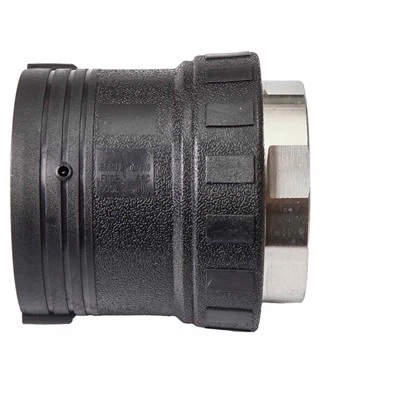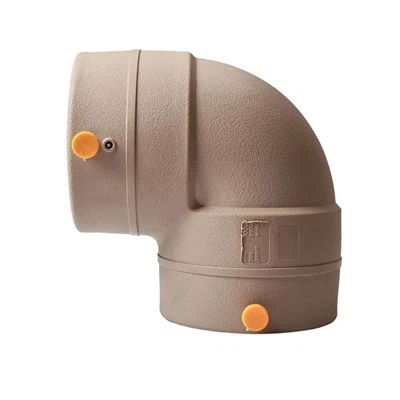


Hey there! As a supplier of HDPE female threaded adaptors, I often get asked a bunch of questions about these nifty little products. One of the most common queries I come across is, "Are HDPE female threaded adaptors resistant to chemicals?" Well, let's dive right into this topic and find out.
First off, let me give you a bit of background on HDPE. HDPE stands for High - Density Polyethylene. It's a type of thermoplastic polymer made from petroleum. HDPE is known for its high strength - to - density ratio, which makes it a popular choice in various industries. You'll find HDPE in everything from plastic bottles to pipes and our HDPE female threaded adaptors.


Now, when it comes to chemical resistance, HDPE has some pretty impressive qualities. Generally speaking, HDPE is resistant to a wide range of chemicals. It can handle many acids, bases, and salts without getting damaged. For instance, it can withstand weak and moderate inorganic acids like hydrochloric acid and sulfuric acid at room temperature. These acids are commonly used in industrial processes, and having adaptors that can resist them is a huge plus.
Bases are also no match for HDPE. Sodium hydroxide, a strong base used in cleaning products and chemical manufacturing, won't cause any significant harm to HDPE female threaded adaptors. This means that in environments where these chemicals are present, our adaptors can keep doing their job without corroding or breaking down.
Salts, too, are not a problem. Whether it's sodium chloride (table salt) or other types of salts used in water treatment or chemical reactions, HDPE can hold up well. This makes our adaptors suitable for use in water treatment plants, where they might come into contact with various salt solutions.
But it's not all sunshine and rainbows. There are some chemicals that HDPE isn't so friendly with. Organic solvents like benzene, toluene, and xylene can cause HDPE to swell or even dissolve over time. These solvents are often used in the paint and coating industry, and if our adaptors are exposed to them for extended periods, their performance can be affected.
Oils and greases can also pose a challenge. While HDPE has some resistance to them, continuous exposure can lead to softening and a decrease in mechanical properties. So, in applications where there's a lot of oil or grease around, you might need to take extra precautions or consider alternative materials.
Another factor to consider is temperature. Chemical resistance can change with temperature. At higher temperatures, HDPE becomes more susceptible to chemical attack. For example, an acid that might not affect the adaptor at room temperature could start causing problems if the temperature rises. So, when using our HDPE female threaded adaptors in high - temperature environments, you need to be extra careful about the chemicals they'll be in contact with.
Now, let's talk about how our HDPE female threaded adaptors are made. We use high - quality HDPE materials and advanced manufacturing processes to ensure that they have the best possible chemical resistance. Our production team follows strict quality control measures to make sure each adaptor meets our high standards.
In addition to chemical resistance, our HDPE female threaded adaptors have other great features. They're easy to install, which can save you a lot of time and money. And they have good mechanical strength, so they can handle the pressure and stress in different applications.
If you're in the market for HDPE female threaded adaptors, you might also be interested in some of our other products. We also offer Electrofusion Steel PE Transition Fittings, which are great for connecting steel and PE pipes. Our Male Thread Adaptor HDPE is another popular option, and it can be used in combination with our female threaded adaptors. And don't forget about our PE Electrofusion Threaded Insert, which is useful for creating threaded connections in PE pipes.
In conclusion, HDPE female threaded adaptors have good chemical resistance to a wide range of chemicals, but there are some exceptions. It's important to consider the specific chemicals they'll be exposed to, as well as the temperature and other environmental factors. As a supplier, we're here to help you choose the right product for your needs. If you have any questions or want to discuss your requirements, feel free to reach out. We're always happy to have a chat and help you find the best solution for your project. Whether you're in the chemical industry, water treatment, or any other field that needs reliable adaptors, we've got you covered. So, don't hesitate to get in touch if you're thinking about a purchase.
References
- "Handbook of Thermoplastics" by O. Olabisi
- "Polymer Science and Technology" by A. Ravve