

Can HDPE Female Adaptors be used in nuclear power plants?
As a supplier of HDPE female adaptors, I often get asked about the suitability of our products for various industries, including nuclear power plants. This is a highly specialized and critical field, where safety, reliability, and compliance with strict regulations are of utmost importance. In this blog post, I will discuss whether HDPE female adaptors can be used in nuclear power plants, considering the unique requirements and challenges of this industry.
Understanding HDPE Female Adaptors
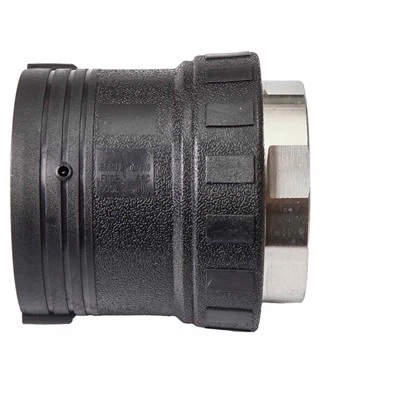
HDPE, or High - Density Polyethylene, is a thermoplastic polymer known for its high strength - to - density ratio, chemical resistance, and durability. HDPE female adaptors are components used to connect different parts of a piping system. They have a female thread that allows for the attachment of other threaded components, such as pipes or valves.
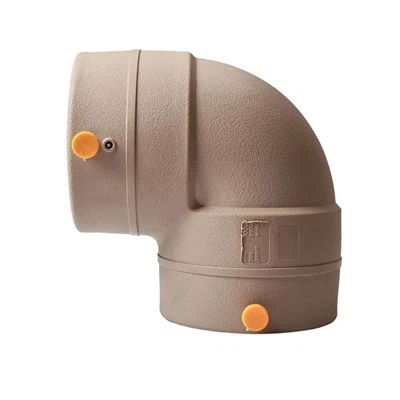
These adaptors come in various sizes and configurations to meet different application needs. For example, PE Electrofusion Threaded Insert is a type of HDPE female adaptor that uses electrofusion technology for a secure and leak - free connection. Another option is the Poly Flange Adapter, which provides a flange connection for larger diameter pipes. And the PE Electrofusion Male Threaded Insert can be used in combination with female adaptors to create a complete piping system.
Requirements in Nuclear Power Plants
Nuclear power plants have extremely strict requirements for the materials and components used in their systems. These requirements are driven by the need to ensure the safety of the plant, protect the environment, and comply with international and national regulations.
- Radiation Resistance: Nuclear power plants produce high levels of radiation. Materials used in these plants must be able to withstand radiation without significant degradation. Radiation can cause changes in the chemical and physical properties of materials, such as embrittlement, cross - linking, and chain scission.
- Temperature and Pressure Resistance: Nuclear power plants operate at high temperatures and pressures. Components need to be able to maintain their integrity under these extreme conditions. For example, the primary coolant system in a nuclear power plant can operate at temperatures up to 300°C and pressures around 15 - 16 MPa.
- Chemical Resistance: Nuclear power plants use a variety of chemicals in their processes, such as boric acid for reactivity control and corrosion inhibitors. Components must be resistant to these chemicals to prevent corrosion and degradation.
- Leak - Tightness: Any leakage in a nuclear power plant can have serious consequences. Components must provide a reliable and leak - tight connection to prevent the release of radioactive materials.
- Long - Term Durability: Nuclear power plants have a long service life, often designed for 40 - 60 years or more. Components need to be able to maintain their performance over this extended period.
Can HDPE Female Adaptors Meet These Requirements?
- Radiation Resistance: HDPE is generally not considered a highly radiation - resistant material. High - energy radiation can break the polymer chains in HDPE, leading to a decrease in mechanical properties such as tensile strength and elongation at break. However, the extent of radiation damage depends on the type and dose of radiation. In some non - critical areas of a nuclear power plant where the radiation dose is relatively low, HDPE female adaptors may be used with proper shielding or in combination with other radiation - resistant materials.
- Temperature and Pressure Resistance: HDPE has a relatively low melting point compared to metals. The maximum continuous use temperature for HDPE is typically around 60 - 80°C, which is much lower than the operating temperatures in many parts of a nuclear power plant. At high pressures, HDPE may also deform or fail. Therefore, in areas where high temperatures and pressures are present, HDPE female adaptors are not suitable.
- Chemical Resistance: HDPE has good chemical resistance to many acids, bases, and organic solvents. It can resist the corrosion caused by common chemicals used in nuclear power plants, such as boric acid. However, it may not be resistant to all chemicals, and compatibility tests should be conducted before use.
- Leak - Tightness: HDPE female adaptors can provide a leak - tight connection when properly installed. Electrofusion technology, for example, can create a strong and seamless bond between the adaptor and the pipe, reducing the risk of leakage.
- Long - Term Durability: The long - term durability of HDPE can be affected by factors such as radiation, temperature, and chemical exposure. In a nuclear power plant environment, the degradation of HDPE over time may be accelerated. However, if the adaptors are used in non - critical areas and proper maintenance and monitoring are in place, they may still be able to serve their purpose over a reasonable period.
Potential Applications in Nuclear Power Plants
Although HDPE female adaptors have limitations in nuclear power plants, there are some potential applications in non - critical areas:
- Non - Radioactive Water Systems: In the secondary cooling water systems or non - radioactive waste management systems, where the radiation levels are low and the temperature and pressure requirements are not as extreme, HDPE female adaptors can be used. These systems are mainly used for heat transfer and waste disposal, and the use of HDPE adaptors can provide a cost - effective and corrosion - resistant solution.
- Instrumentation and Control Systems: In some low - pressure and low - temperature instrumentation and control systems, HDPE female adaptors can be used to connect sensors, valves, and other components. These systems are not directly involved in the nuclear reaction process and have relatively mild operating conditions.
Conclusion
In conclusion, HDPE female adaptors have both advantages and limitations when it comes to use in nuclear power plants. While they offer good chemical resistance and leak - tightness, their poor radiation and temperature resistance make them unsuitable for use in critical areas of a nuclear power plant. However, in non - critical areas with low radiation, temperature, and pressure requirements, they can be a viable option.


As a supplier of HDPE female adaptors, we understand the importance of providing high - quality products that meet the specific needs of our customers. If you are considering using HDPE female adaptors in a nuclear power plant or any other application, we are here to provide you with detailed technical information and support. Our team of experts can help you evaluate the suitability of our products for your specific requirements and provide customized solutions.
If you have any questions or are interested in purchasing HDPE female adaptors, please feel free to contact us for further discussion and negotiation. We look forward to working with you to find the best solutions for your projects.
References
- ASME Boiler and Pressure Vessel Code
- International Atomic Energy Agency (IAEA) safety standards
- ASTM standards for HDPE materials and products