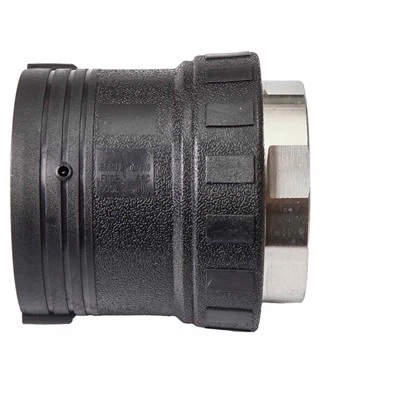


Hey there! As a supplier of PPR electrofusion fittings, I often get asked whether these fittings can be used in a desalination plant pipeline. It's a super important question, considering the unique environment and requirements in desalination plants. So, let's dive right in and explore this topic together.
Understanding PPR Electrofusion Fittings
First off, let me give you a quick rundown on what PPR electrofusion fittings are. These fittings are made from random copolymer polypropylene (PPR), which is a thermoplastic known for its excellent performance in piping systems. The electrofusion process involves using an electric current to heat the fitting and the pipe, creating a strong, homogeneous bond. This method eliminates the need for traditional welding or gluing, making installation faster and more reliable.
Our company offers a wide range of PPR Electrofusion Pipe Fittings, including PPR Electrofusion 45 Degree Elbow and PPR Electrofusion 90 Degree Elbow. These fittings come in various sizes and configurations to suit different pipeline needs.
Challenges in Desalination Plant Pipelines
Desalination plants are no ordinary places. They deal with highly saline water, high pressures, and often harsh chemical treatments. These factors can put a lot of stress on pipeline materials and fittings.
- Corrosion: The high salt content in seawater is a major culprit when it comes to corrosion. Metal pipes are particularly vulnerable, as the salt can cause rapid oxidation and deterioration. This not only reduces the lifespan of the pipes but can also lead to leaks and contamination.
- Pressure: Desalination processes typically involve high-pressure pumps to force water through membranes. This means that the pipeline system needs to be able to withstand these pressures without bursting or leaking.
- Chemical Resistance: Many desalination plants use chemicals such as chlorine and acids to disinfect the water and prevent fouling. These chemicals can be corrosive to some materials, so the pipeline fittings need to be resistant to their effects.
Can PPR Electrofusion Fittings Meet the Challenges?
Now, let's get to the big question: can PPR electrofusion fittings be used in a desalination plant pipeline? The answer, in many cases, is yes! Here's why:


- Corrosion Resistance: PPR is inherently resistant to corrosion. Unlike metal pipes, it doesn't react with the salt in seawater, which means it won't rust or corrode over time. This makes it a great choice for desalination plant pipelines, where corrosion can be a major problem.
- Pressure Resistance: PPR electrofusion fittings are designed to handle high pressures. They have a high burst strength, which means they can withstand the pressures generated by the pumps in desalination plants without failing.
- Chemical Resistance: PPR is resistant to a wide range of chemicals, including those commonly used in desalination processes. This makes it less likely to be damaged by chemical reactions, ensuring the long-term integrity of the pipeline system.
Advantages of Using PPR Electrofusion Fittings in Desalination Plants
Besides their ability to meet the challenges of desalination plants, PPR electrofusion fittings offer several other advantages:
- Easy Installation: As mentioned earlier, the electrofusion process is quick and easy. It doesn't require any special skills or tools, which means installation can be completed faster and with less labor.
- Leak-Free Joints: The electrofusion process creates a homogeneous bond between the fitting and the pipe, eliminating the risk of leaks. This is particularly important in desalination plants, where leaks can lead to water loss and contamination.
- Long Lifespan: PPR is a durable material that can last for decades. This means that the pipeline system will require less maintenance and replacement over time, saving both time and money.
Considerations and Limitations
While PPR electrofusion fittings have many advantages, there are also a few considerations and limitations to keep in mind:
- Temperature Limitations: PPR has a relatively low temperature resistance compared to some other materials. In desalination plants, where the water temperature can sometimes be high, this may need to be taken into account. However, there are high-temperature grades of PPR available that can handle higher temperatures.
- UV Resistance: PPR is not very resistant to UV radiation. If the pipeline is exposed to sunlight, it may need to be protected with a UV-resistant coating or insulation.
- System Design: The design of the pipeline system is crucial. It needs to be carefully planned to ensure that the PPR electrofusion fittings are used correctly and that the system can handle the specific requirements of the desalination plant.
Conclusion
In conclusion, PPR electrofusion fittings can be a great choice for desalination plant pipelines. They offer excellent corrosion resistance, pressure resistance, and chemical resistance, as well as easy installation and long lifespan. However, it's important to consider the temperature limitations, UV resistance, and system design when using these fittings.
If you're in the process of building or upgrading a desalination plant pipeline and are considering using PPR electrofusion fittings, I'd love to have a chat with you. Our team of experts can help you determine if these fittings are the right choice for your project and recommend the best products and solutions.
So, don't hesitate to reach out for more information or to start a procurement discussion. We're here to support you every step of the way!
References
- ASTM International. "Standard Specification for Polypropylene (PP) Plastic Pipe, SDR-PR, Based on Controlled Outside Diameter." ASTM F2389-18.
- ISO 15874:2019. "Plastics piping systems — Polypropylene (PP) — Pipes and fittings for hot and cold water installations."