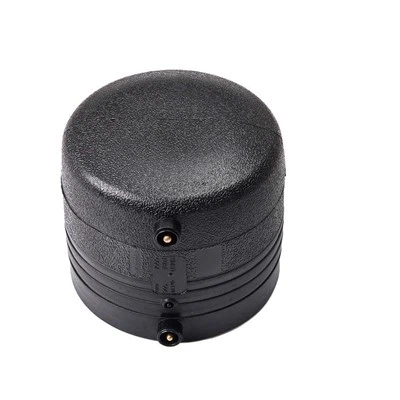


Determining the correct fusion time for PPR electrofusion flanges is a critical process that significantly impacts the quality and reliability of the pipeline system. As a trusted PPR electrofusion flange supplier, we understand the importance of this aspect and are dedicated to providing in - depth knowledge to our customers.
Understanding the Basics of PPR Electrofusion
PPR (Polypropylene Random) is a popular material for piping systems due to its excellent chemical resistance, durability, and low thermal conductivity. Electrofusion is a joining method that uses an electric current to heat resistance wires embedded in the fitting, melting the PPR material of both the fitting and the pipe, and creating a strong, homogeneous joint.
When it comes to PPR electrofusion flanges, they are used to connect pipes to other components such as valves, pumps, or other pipes in a pipeline system. The quality of the fusion joint between the flange and the pipe is crucial to prevent leaks, ensure proper flow, and maintain the integrity of the entire system.
Factors Affecting Fusion Time
Pipe and Fitting Dimensions
The diameter and wall thickness of the PPR pipes and electrofusion flanges play a significant role in determining the fusion time. Larger diameters and thicker walls require more heat to melt the material completely. For example, a 110mm diameter PPR pipe will generally need a longer fusion time compared to a 50mm diameter pipe when connecting with an electrofusion flange. This is because there is more material that needs to reach the melting point to form a proper joint.
Environmental Temperature
The ambient temperature at the installation site can have a considerable impact on fusion time. In colder environments, the PPR material is cooler, and more energy is required to raise its temperature to the melting point. As a result, the fusion time needs to be increased. Conversely, in warmer environments, the material is closer to the melting point, and the fusion time can be slightly reduced. However, it is important to note that extreme temperatures, whether hot or cold, can still pose challenges and may require additional precautions.
Material Properties
Different grades of PPR materials have different melting points and thermal characteristics. Some PPR materials may have additives or modifiers that affect their melting behavior. It is essential to use the correct fusion parameters recommended by the manufacturer for the specific grade of PPR material being used. If the wrong fusion time is applied to a particular PPR grade, it can lead to incomplete fusion or over - melting, both of which can compromise the quality of the joint.
Methods for Determining Fusion Time
Manufacturer's Recommendations
As a PPR electrofusion flange supplier, we always provide detailed installation instructions and recommended fusion times for our products. These recommendations are based on extensive testing and research conducted by our R & D team. The manufacturer's guidelines take into account the specific design and materials of the electrofusion flanges and the corresponding pipes. It is crucial for installers to follow these recommendations carefully to ensure a successful fusion process.
Testing and Calibration
In some cases, especially when dealing with unique installation conditions or new batches of materials, it may be necessary to conduct small - scale tests. This involves fusing a sample pipe and flange using different fusion times and then inspecting the joint for quality. Non - destructive testing methods such as visual inspection, pressure testing, or ultrasonic testing can be used to evaluate the integrity of the joint. Based on the test results, the optimal fusion time can be determined for the actual installation.
Use of Fusion Machines with Built - in Programs
Modern electrofusion fusion machines often come with built - in programs that can calculate the fusion time based on the input parameters such as pipe diameter, wall thickness, and ambient temperature. These machines use sensors and algorithms to ensure accurate and consistent fusion times. Installers simply need to input the relevant information, and the machine will automatically set the appropriate fusion time and perform the fusion process.
Importance of Correct Fusion Time
Leak Prevention
A properly fused joint is essential for preventing leaks in the pipeline system. If the fusion time is too short, the PPR material may not melt sufficiently, resulting in a weak joint that is prone to leakage. On the other hand, if the fusion time is too long, the material may over - melt and flow out of the joint area, also causing potential leakage issues. By determining the correct fusion time, we can ensure a tight and reliable seal between the electrofusion flange and the pipe.


Structural Integrity
The structural integrity of the pipeline system depends on the quality of the fusion joints. A well - fused joint provides the necessary strength to withstand the internal pressure of the fluid flowing through the pipes. Incorrect fusion times can lead to joints that are not strong enough, which may result in pipe failures, especially under high - pressure conditions. This can cause significant damage to the system and lead to costly repairs.
Practical Tips for Ensuring Correct Fusion Time
Preparation
Before starting the fusion process, it is important to clean the surfaces of the pipe and the electrofusion flange thoroughly. Any dirt, grease, or moisture on the surfaces can affect the fusion quality and may require longer fusion times to compensate. Use a clean cloth and a suitable cleaning agent to remove all contaminants.
Monitoring
During the fusion process, it is essential to monitor the fusion machine and the joint area. Check the temperature and time indicators on the fusion machine to ensure that the process is proceeding as planned. Observe the joint area for any signs of abnormal melting or deformation. If any issues are detected, stop the process immediately and adjust the fusion time or other parameters as necessary.
Training
Proper training of installers is crucial for ensuring the correct fusion time. Installers should be familiar with the operating procedures of the fusion machine, the characteristics of the PPR materials, and the factors that affect fusion time. Our company offers training programs to help installers gain the necessary skills and knowledge to perform high - quality fusion joints.
Conclusion
Determining the correct fusion time for PPR electrofusion flanges is a complex but essential process. As a PPR electrofusion flange supplier, we are committed to providing high - quality products and comprehensive technical support to our customers. By understanding the factors that affect fusion time, following the manufacturer's recommendations, and using proper testing and monitoring methods, installers can ensure reliable and durable fusion joints.
If you are interested in our Electrofusion PPR products, including PPR Electrofusion 45 Degree Elbow and other PPR Electrofusion fittings, we welcome you to contact us for more information and to discuss your procurement needs. We look forward to establishing long - term partnerships with you and providing you with the best solutions for your pipeline projects.
References
- "PPR Piping System Installation Manual", Industry Standard Publication
- Research reports on PPR electrofusion technology from relevant academic institutions.
- Internal technical documents and test reports from our company.