

Choosing the right size of electrofusion fittings is a crucial step in any piping project, whether it's for water supply, gas distribution, or industrial applications. As a supplier of electrofusion fittings, I've encountered numerous customers facing challenges in this area. In this blog, I'll share some insights and guidelines to help you make the right choice.
Understanding Electrofusion Fittings
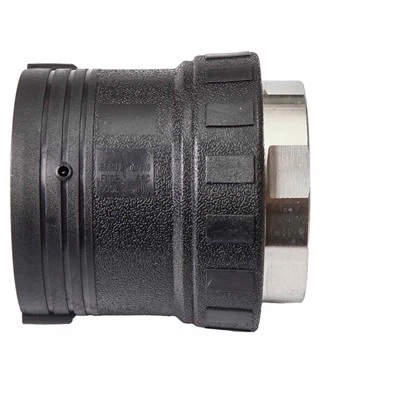
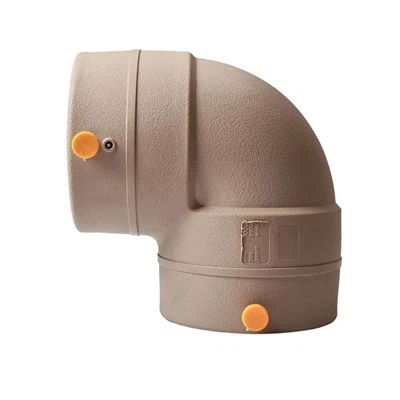
Before delving into size selection, it's essential to understand what electrofusion fittings are. Electrofusion fittings are used to join polyethylene (PE) pipes by using an electric current to melt the fitting and the pipe together, creating a strong, leak - proof joint. They come in various types, such as tees, elbows, and end caps, each serving a specific purpose in a piping system. For example, Tee HDPE Electrofusion is used when a pipeline needs to branch off, while Electrofusion 45° Elbow is ideal for changing the direction of the pipe at a 45 - degree angle, and Electrofusion PE End Cap is used to close the end of a pipe.
Factors Affecting Size Selection
Pipe Size
The most obvious factor in choosing the size of electrofusion fittings is the size of the pipes they will be connecting. The fitting must have an inner diameter that matches the outer diameter of the pipe. This ensures a proper fit and a strong joint. In the PE piping industry, pipe sizes are typically specified in millimeters. For example, if you have a 110mm outer - diameter PE pipe, you need to select a 110mm electrofusion fitting. It's important to measure the pipe accurately, as even a small deviation can lead to a poor joint.
Flow Rate
The flow rate of the fluid or gas in the pipeline is another critical factor. A fitting that is too small can restrict the flow, causing pressure drops and reducing the efficiency of the system. On the other hand, a fitting that is too large may be unnecessary and increase the cost of the project. To determine the appropriate size based on flow rate, you can use hydraulic calculations. These calculations take into account factors such as the viscosity of the fluid, the length of the pipeline, and the desired flow velocity.
Pressure Rating
The pressure rating of the pipeline also plays a significant role in size selection. Higher - pressure systems require fittings that can withstand the pressure without leaking or failing. Generally, larger - diameter fittings can handle higher pressures, but this also depends on the wall thickness of the fitting and the material properties. Make sure to choose fittings with a pressure rating that meets or exceeds the maximum operating pressure of your system.
System Design
The overall design of the piping system is important as well. Consider factors such as the layout of the pipes, the number of bends and branches, and the location of valves and other components. For example, in a complex system with many branches, you may need to use different sizes of fittings to ensure proper flow distribution. Also, think about future expansion or modification of the system. Choosing slightly larger - sized fittings initially may provide some flexibility for future changes.
Steps for Choosing the Right Size
Step 1: Identify the Pipe Size
Measure the outer diameter of the pipes accurately. Use a caliper or a measuring tape to get precise measurements. Make sure to measure at multiple points along the pipe to account for any irregularities. Once you have the pipe size, you can start looking for fittings with a matching inner diameter.
Step 2: Determine the Flow Requirements
Calculate the required flow rate for your system. This may involve consulting with engineers or using industry - standard formulas. Consider the current and future flow needs of the system. If the system is expected to grow, it's advisable to select fittings that can accommodate the increased flow.
Step 3: Evaluate the Pressure Rating
Know the maximum operating pressure of your pipeline. Check the pressure ratings of the fittings available in the market. Choose fittings that are rated for a pressure higher than the maximum expected pressure in the system to ensure safety and reliability.
Step 4: Consider the System Design
Review the overall design of the piping system. Think about how the fittings will be integrated into the system. If there are any special requirements, such as tight space constraints or specific installation methods, make sure the chosen fittings can meet these needs.
Step 5: Consult with Experts
If you're unsure about any aspect of size selection, don't hesitate to consult with experts. As a supplier, I'm always happy to provide technical advice and guidance. You can also consult with professional engineers who have experience in PE piping systems.


Quality Assurance
Once you've selected the appropriate size of electrofusion fittings, it's important to ensure their quality. Look for fittings that are manufactured to international standards, such as ISO or ASTM. Check for certifications and test reports to verify the quality of the fittings. A high - quality fitting will not only provide a reliable joint but also have a longer service life.
Cost - Benefit Analysis
While choosing the right size is crucial, cost is also a factor to consider. Larger - sized fittings are generally more expensive than smaller ones. However, choosing a smaller - sized fitting that is not suitable for your system can lead to additional costs in the long run, such as increased energy consumption due to flow restrictions or the need for frequent repairs. Conduct a cost - benefit analysis to find the optimal balance between cost and performance.
Conclusion
Choosing the right size of electrofusion fittings is a complex but essential task. By considering factors such as pipe size, flow rate, pressure rating, and system design, and following the steps outlined above, you can make an informed decision. As a supplier of electrofusion fittings, I'm committed to providing high - quality products and excellent customer service. If you have any questions or need assistance in choosing the right size of electrofusion fittings for your project, please don't hesitate to reach out. We're here to help you ensure the success of your piping system.
References
- ASME B31.3 Process Piping Code
- ISO 12176 - 1:2017 Plastics piping systems - Electrofusion fittings for polyethylene (PE) pipes and fittings - General test methods
- Pipe Flow Calculations Handbook