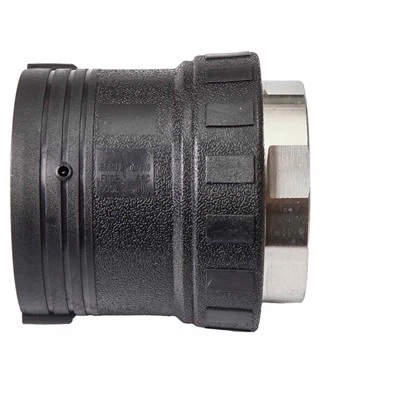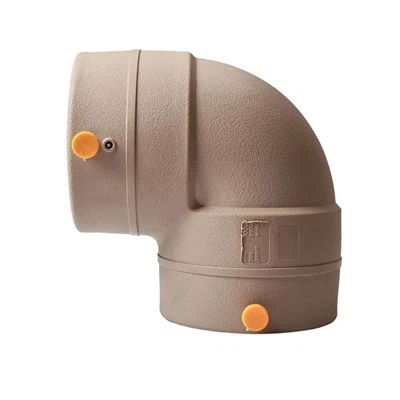


Ensuring the alignment of HDPE female threaded adaptors during installation is crucial for the efficient and reliable performance of piping systems. As a leading supplier of HDPE Female Threaded Adaptor, I understand the challenges that can arise during installation and the importance of proper alignment. In this blog post, I will share some key strategies and best practices to ensure accurate alignment and a successful installation.
Understanding the Basics of HDPE Female Threaded Adaptors
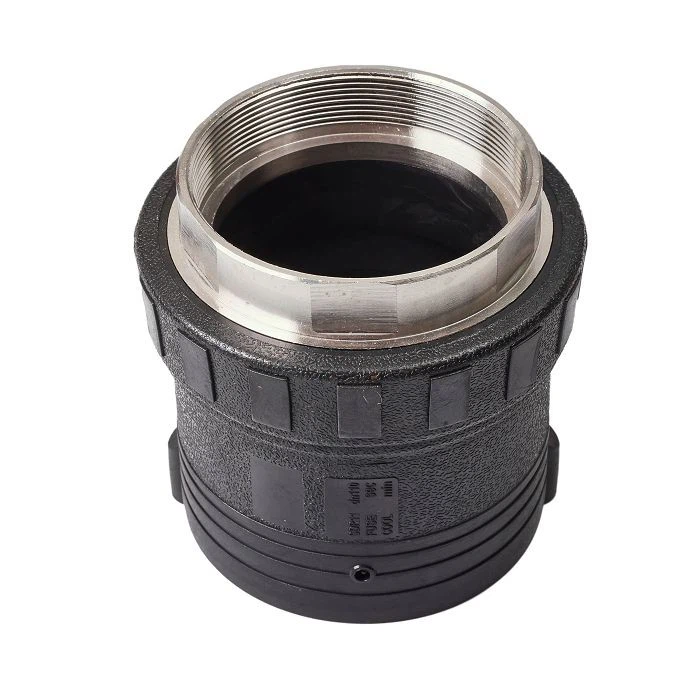
Before diving into alignment techniques, it's essential to have a basic understanding of HDPE female threaded adaptors. HDPE, or high-density polyethylene, is a lightweight and durable material known for its corrosion resistance and flexibility. HDPE female threaded adaptors are designed to connect pipes of different sizes or materials by providing a threaded connection. They are commonly used in various applications, including water supply systems, irrigation, and industrial piping.
Importance of Alignment
Proper alignment of HDPE female threaded adaptors is essential for several reasons. First and foremost, it ensures a tight and leak-free connection between the adaptor and the pipe. Misaligned adaptors can result in leaks, which can lead to water loss, damage to the surrounding area, and costly repairs. Additionally, proper alignment helps to distribute the stress evenly across the connection, preventing premature wear and failure.
Pre-Installation Preparation
The first step in ensuring proper alignment is to prepare the installation site and the components. Here are some essential pre-installation steps:
- Inspect the Components: Before installation, carefully inspect the HDPE female threaded adaptors and the pipes for any damage or defects. Look for cracks, scratches, or warping, as these can affect the alignment and performance of the connection.
- Clean the Surfaces: Clean the surfaces of the adaptor and the pipe to remove any dirt, debris, or grease. Use a clean cloth and a suitable cleaning solution to ensure a clean and smooth surface for a better seal.
- Mark the Pipes: To ensure accurate alignment, mark the pipes at the points where the adaptors will be installed. Use a measuring tape and a permanent marker to make clear and visible marks.
Measuring and Cutting the Pipes
Accurate measurement and cutting of the pipes are crucial for proper alignment. Here are some tips to ensure precise measurements and cuts:
- Use a Measuring Tape: Measure the length of the pipe carefully to ensure that it is the correct size for the adaptor. Use a measuring tape to get an accurate measurement and mark the pipe accordingly.
- Use a Pipe Cutter: Use a sharp pipe cutter to cut the pipe at the marked point. Make sure to cut the pipe straight and clean to ensure a proper fit with the adaptor.
- Deburr the Edges: After cutting the pipe, use a deburring tool to remove any rough edges or burrs. This will help to prevent damage to the seals and ensure a smooth and tight connection.
Aligning the Adaptor
Once the pipes are prepared, it's time to align the HDPE female threaded adaptor. Here are some strategies to ensure accurate alignment:
- Use a Alignment Tool: An alignment tool can be a valuable asset during installation. These tools are designed to help you align the adaptor with the pipe accurately. They typically consist of a clamp or a guide that holds the adaptor in place while you make the connection.
- Check the Threads: Before inserting the adaptor into the pipe, check the threads to ensure that they are clean and undamaged. Use a thread gauge to check the thread size and pitch to ensure a proper fit.
- Insert the Adaptor Slowly: Insert the adaptor into the pipe slowly and carefully, making sure that it is aligned with the marks on the pipe. Use a wrench or a pliers to tighten the adaptor gently, but do not over-tighten it, as this can damage the threads.
Using a Sealant
Using a sealant can help to ensure a tight and leak-free connection between the HDPE female threaded adaptor and the pipe. Here are some tips for using a sealant:
- Choose the Right Sealant: Select a sealant that is compatible with HDPE and the application. There are several types of sealants available, including thread seal tape, pipe dope, and liquid sealants.
- Apply the Sealant Properly: Apply the sealant to the threads of the adaptor or the pipe according to the manufacturer's instructions. Make sure to apply the sealant evenly and cover all the threads.
- Allow the Sealant to Cure: After applying the sealant, allow it to cure for the recommended time before using the piping system. This will ensure that the sealant has fully set and provides a reliable seal.
Testing the Connection
Once the adaptor is installed and the sealant has cured, it's important to test the connection to ensure that it is leak-free. Here are some steps to test the connection:

- Pressurize the System: Slowly pressurize the piping system to the recommended operating pressure. Use a pressure gauge to monitor the pressure and ensure that it is within the acceptable range.
- Inspect for Leaks: Carefully inspect the connection for any signs of leaks. Look for water droplets, wet spots, or hissing sounds. If you detect a leak, immediately shut off the pressure and repair the connection.
- Repeat the Test: After repairing the connection, repeat the pressure test to ensure that the leak has been fixed.
Troubleshooting Common Alignment Issues
Despite your best efforts, you may encounter some alignment issues during installation. Here are some common issues and their solutions:
- Misaligned Threads: If the threads of the adaptor and the pipe are misaligned, you may have difficulty inserting the adaptor. To fix this issue, try rotating the adaptor slightly to align the threads. If the problem persists, you may need to remove the adaptor and check the threads for damage.
- Crossed Threads: Crossed threads occur when the threads of the adaptor and the pipe are not properly aligned during installation. This can result in a tight and difficult-to-remove connection. To fix this issue, carefully remove the adaptor and inspect the threads for damage. If the threads are damaged, you may need to replace the adaptor or the pipe.
- Uneven Tightening: Uneven tightening can cause the adaptor to be misaligned and result in leaks. To avoid this issue, use a torque wrench to tighten the adaptor to the recommended torque specification. Make sure to tighten the adaptor evenly in a clockwise direction.
Conclusion
Ensuring the alignment of HDPE female threaded adaptors during installation is essential for the efficient and reliable performance of piping systems. By following the strategies and best practices outlined in this blog post, you can ensure accurate alignment and a successful installation. As a supplier of HDPE Female Threaded Adaptor, I am committed to providing high-quality products and expert support to help you with your installation needs. If you have any questions or need further assistance, please do not hesitate to contact me. We look forward to discussing your specific requirements and providing you with the best solutions for your projects.
References
- Smith, J. (2022). Handbook of HDPE Piping Systems. Publisher.
- Jones, A. (2021). Installation Guide for HDPE Threaded Adaptors. Company.