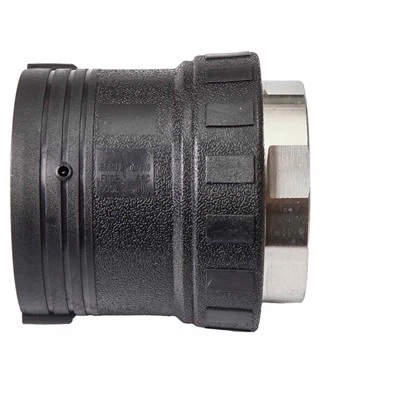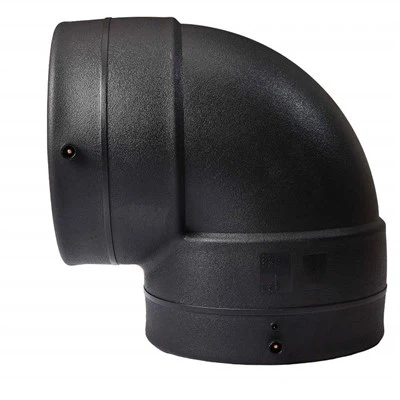


Proper storage of HDPE female adaptors is crucial for maintaining their quality and performance. As a supplier of HDPE female adaptors, I understand the importance of providing guidance on how to store these products effectively. In this blog post, I will share some key considerations and best practices for storing HDPE female adaptors to ensure their longevity and functionality.
Understanding HDPE Female Adaptors
Before delving into storage methods, it's essential to understand what HDPE female adaptors are and their characteristics. HDPE, or high-density polyethylene, is a thermoplastic polymer known for its high strength-to-density ratio, chemical resistance, and durability. HDPE female adaptors are used to connect pipes or fittings with male threads, providing a secure and leak-free connection. They are commonly used in various industries, including water supply, irrigation, and gas distribution.
Factors Affecting HDPE Female Adaptor Storage
Several factors can affect the storage of HDPE female adaptors, including temperature, humidity, sunlight exposure, and mechanical damage. Understanding these factors is crucial for implementing appropriate storage measures.
Temperature
Extreme temperatures can have a significant impact on the physical properties of HDPE female adaptors. High temperatures can cause the material to soften and deform, while low temperatures can make it brittle and more prone to cracking. Therefore, it's important to store HDPE female adaptors in a temperature-controlled environment, ideally between 10°C and 30°C (50°F and 86°F).
Humidity
High humidity levels can lead to the growth of mold and mildew on the surface of HDPE female adaptors, which can compromise their integrity. Additionally, moisture can cause corrosion of any metal components, such as threads or inserts. To prevent these issues, it's recommended to store HDPE female adaptors in a dry environment with a relative humidity of less than 60%.
Sunlight Exposure
Prolonged exposure to sunlight can cause the HDPE material to degrade due to the effects of ultraviolet (UV) radiation. This can result in discoloration, embrittlement, and a reduction in mechanical properties. To protect HDPE female adaptors from sunlight, they should be stored in a shaded area or covered with a UV-resistant material.
Mechanical Damage
HDPE female adaptors can be easily damaged if they are not stored properly. They should be protected from impact, crushing, and scratching to prevent any structural damage that could affect their performance. It's important to handle HDPE female adaptors with care during storage and transportation.


Best Practices for Storing HDPE Female Adaptors
Based on the factors mentioned above, here are some best practices for storing HDPE female adaptors:
Choose the Right Storage Location
Select a storage area that is clean, dry, and well-ventilated. Avoid areas prone to flooding, excessive moisture, or direct sunlight. A warehouse or storage shed with temperature and humidity control is ideal for storing HDPE female adaptors.
Use Appropriate Storage Containers
HDPE female adaptors should be stored in containers that provide adequate protection from mechanical damage. Plastic bins, crates, or cardboard boxes can be used to store the adaptors, depending on their size and quantity. Make sure the containers are labeled clearly with the product name, size, and quantity for easy identification.
Organize the Storage Space
Arrange the HDPE female adaptors in an organized manner to facilitate easy access and inventory management. Group them by size, type, or application to make it easier to find the required adaptors when needed. Use shelves, racks, or pallets to maximize the storage space and keep the adaptors off the ground.
Protect the Adaptors from Damage
To prevent mechanical damage, place the HDPE female adaptors in a way that they are not stacked too high or compressed. Use padding or dividers to separate the adaptors and prevent them from rubbing against each other. If the adaptors have any protruding parts, such as threads or inserts, protect them with caps or covers to prevent damage.
Monitor the Storage Conditions
Regularly check the storage area for any signs of temperature or humidity fluctuations, mold growth, or mechanical damage. Use a thermometer and hygrometer to monitor the temperature and humidity levels and make adjustments as needed. Inspect the adaptors periodically to ensure their quality and integrity.
Additional Considerations for Specific Types of HDPE Female Adaptors
In addition to the general storage guidelines, there are some specific considerations for different types of HDPE female adaptors.
Male Adaptor HDPE
Male adaptors HDPE should be stored separately from female adaptors to prevent cross-threading or damage to the threads. They should be protected with thread caps or covers to prevent dirt, debris, or moisture from entering the threads.
PE Electrofusion Female Threaded Insert
PE electrofusion female threaded inserts require special care during storage to ensure their proper functioning. They should be stored in a clean and dry environment to prevent any contamination of the electrofusion surface. Avoid exposing the inserts to extreme temperatures or mechanical stress, as this can affect the electrofusion process.
HDPE Male Adapter
HDPE male adapters should be stored in a similar manner to female adaptors, with proper protection from mechanical damage and environmental factors. Make sure the threads are clean and free from any debris or damage to ensure a secure connection.
Conclusion
Proper storage of HDPE female adaptors is essential for maintaining their quality and performance. By considering the factors that can affect their storage, implementing best practices, and taking specific measures for different types of adaptors, you can ensure that your HDPE female adaptors remain in good condition until they are ready to be used.
If you are interested in purchasing high-quality HDPE female adaptors or have any questions about their storage or usage, please feel free to contact us for more information. We are committed to providing our customers with the best products and services to meet their needs.
References
- ASTM International. (2023). Standard Specification for High-Density Polyethylene (HDPE) Plastic Molding and Extrusion Materials.
- Plastics Pipe Institute. (2023). Handbook of Polyethylene Pipe.