

Hey there! As a PPR Electrofusion Flange supplier, I've had my fair share of experiences with the installation of these handy components. Today, I'm gonna walk you through the installation tools required for PPR electrofusion flanges.
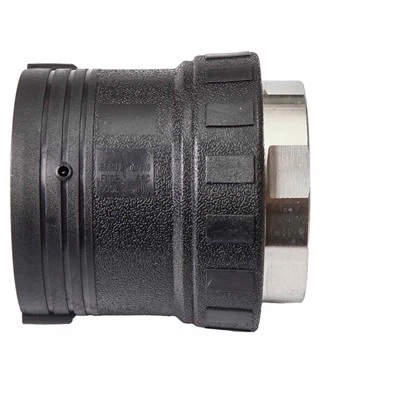
First off, let's talk a bit about what PPR electrofusion flanges are. A PPR Electrofusion Flange PPR Electrofusion Flange is a crucial part in piping systems. It's used to connect pipes and other components in a reliable and leak - proof way. They are made of Polypropylene Random Copolymer (PPR), which is known for its high - quality, durability, and resistance to corrosion.
1. Electrofusion Welder
The most important tool for installing PPR electrofusion flanges is the electrofusion welder. This is the heart of the installation process. The welder is responsible for providing the precise amount of electrical energy needed to melt the inner surface of the electrofusion flange and the outer surface of the PPR pipe. This melting process creates a strong bond between the two, ensuring a long - lasting and leak - free connection.
When choosing an electrofusion welder, there are a few things to keep in mind. You need to make sure that the welder is compatible with the specific PPR electrofusion flanges you're using. Different flanges may require different welding parameters, such as voltage, current, and welding time. A good electrofusion welder will have adjustable settings so that you can fine - tune these parameters according to the requirements of the installation.
2. Pipe Cutter
A pipe cutter is another essential tool. You'll need it to cut the PPR pipes to the right length before installing the electrofusion flanges. A clean and straight cut is crucial for a proper fit. If the cut is uneven, it can lead to a poor connection between the pipe and the flange, which may result in leaks down the line.
There are different types of pipe cutters available in the market. Manual pipe cutters are simple and easy to use. They're great for small - scale installations or for cutting pipes in tight spaces. For larger projects or when you need to cut a lot of pipes, a power pipe cutter may be a better option. It can make the cutting process faster and more efficient.
3. Pipe Deburring Tool
After cutting the PPR pipe, you'll need to use a pipe deburring tool. When you cut a pipe, there are often burrs or rough edges left on the cut end. These burrs can interfere with the proper installation of the electrofusion flange. A deburring tool helps to remove these rough edges, ensuring a smooth surface for the welding process.
There are various types of deburring tools, including hand - held deburring tools and power deburring tools. Hand - held deburring tools are inexpensive and easy to use. They're suitable for small - scale jobs. Power deburring tools, on the other hand, can provide a more consistent and efficient deburring process, especially for larger pipes or when you have a high volume of pipes to deburr.
4. Measuring Tape
Accuracy is key when it comes to installing PPR electrofusion flanges. A measuring tape is used to measure the length of the pipes and the position of the flanges. You need to make sure that the pipes are cut to the correct length and that the flanges are installed at the right locations.
A good measuring tape should be accurate and easy to read. Look for a tape that has clear markings and is made of durable material. You may also want to consider a tape with a locking mechanism so that you can hold the measurement in place while you're working.
5. Pipe Cleaner
Before installing the electrofusion flange, it's important to clean the outer surface of the PPR pipe and the inner surface of the flange. A pipe cleaner is used for this purpose. Any dirt, dust, or grease on these surfaces can prevent a proper bond from forming during the welding process.
You can use a simple cloth or a specialized pipe cleaning solution. Make sure to thoroughly clean both the pipe and the flange to remove all contaminants. This will help to ensure a strong and reliable connection.
6. Clamps
Clamps are used to hold the PPR pipe and the electrofusion flange in place during the welding process. They help to ensure that the two components are properly aligned and that there is no movement during the melting and bonding process.
There are different types of clamps available, such as pipe clamps and flange clamps. Pipe clamps are used to hold the pipe in place, while flange clamps are used to hold the flange. Make sure to choose clamps that are the right size for your pipes and flanges.
7. Marker
A marker is a simple but useful tool. You can use it to mark the position of the electrofusion flange on the PPR pipe. This helps to ensure that the flange is installed at the correct location. You can also use the marker to mark the cutting points on the pipe.
Now, if you're in the market for high - quality PPR electrofusion flanges, we've got you covered. We also offer other related products like PPR Electrofusion Coupler and Electrofusion PPR. Our products are made with the highest quality materials and are designed to meet the strictest industry standards.


If you're interested in purchasing our PPR electrofusion flanges or have any questions about the installation process, don't hesitate to reach out. We're here to help you with all your piping needs. Whether you're a professional plumber or a DIY enthusiast, we can provide you with the right products and support.
References
- "PPR Piping Systems Installation Guide"
- "Handbook of Plastic Pipe Systems"