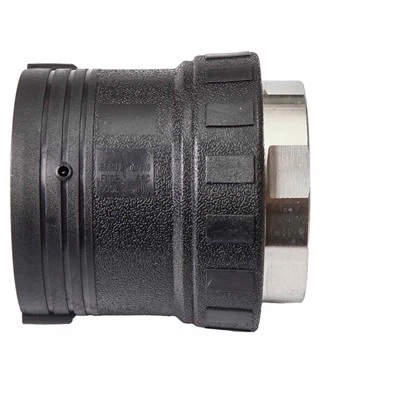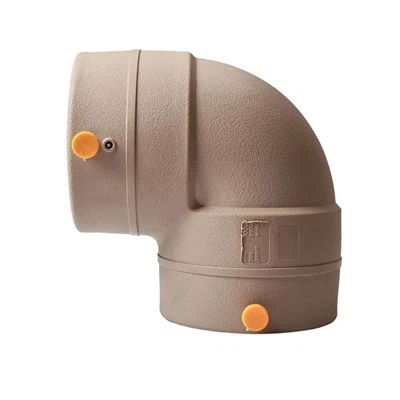


As a supplier of HDPE female adaptors, I've encountered numerous inquiries from customers regarding the susceptibility of these products to cracking. This concern is understandable, as the integrity of HDPE female adaptors is crucial in various applications, particularly in plumbing and piping systems. In this blog post, I'll delve into the factors that may contribute to cracking in HDPE female adaptors and provide insights on how to mitigate these risks.
Understanding HDPE Materials
High-density polyethylene (HDPE) is a thermoplastic polymer known for its high strength-to-density ratio, chemical resistance, and durability. These properties make HDPE an ideal material for manufacturing female adaptors used in a wide range of industries, including water supply, gas distribution, and industrial piping. HDPE female adaptors are designed to provide a secure and leak-proof connection between pipes and fittings, ensuring the efficient flow of fluids.
Factors Contributing to Cracking
While HDPE is generally a robust material, several factors can increase the likelihood of cracking in female adaptors. Understanding these factors is essential for preventing premature failure and ensuring the long-term performance of the products.
1. Environmental Stress Cracking
Environmental stress cracking (ESC) is one of the most common causes of cracking in HDPE products. ESC occurs when a combination of stress and exposure to certain chemicals or environmental conditions causes the material to crack. In the case of HDPE female adaptors, ESC can be triggered by factors such as:
- Chemical Exposure: Contact with chemicals such as solvents, detergents, and certain types of oils can weaken the HDPE material and make it more susceptible to cracking. It's important to ensure that the adaptors are compatible with the chemicals they will come into contact with in the intended application.
- Stress Concentration: Improper installation or over-tightening of the adaptors can create stress concentration points, which can lead to cracking over time. It's crucial to follow the manufacturer's installation instructions carefully and use the appropriate tools to ensure a proper fit.
- Temperature Fluctuations: Extreme temperature changes can cause the HDPE material to expand and contract, leading to stress on the adaptors. This can be especially problematic in outdoor applications where the adaptors are exposed to direct sunlight and temperature variations.
2. Material Quality
The quality of the HDPE material used in the manufacturing of female adaptors can also have a significant impact on their resistance to cracking. Inferior quality materials may contain impurities or have inconsistent properties, which can make the adaptors more prone to cracking. As a supplier, we ensure that all our HDPE Female Adaptors are made from high-quality HDPE resin that meets or exceeds industry standards.
3. Design and Manufacturing Defects
Poor design or manufacturing defects can also contribute to cracking in HDPE female adaptors. For example, inadequate wall thickness or improper molding techniques can result in weak spots in the adaptors, which can lead to cracking under normal operating conditions. At our company, we use advanced manufacturing processes and strict quality control measures to ensure that all our adaptors are free from design and manufacturing defects.
Preventive Measures
To minimize the risk of cracking in HDPE female adaptors, it's important to take the following preventive measures:
1. Proper Installation
Proper installation is crucial for ensuring the long-term performance of HDPE female adaptors. Follow these installation tips to prevent cracking:
- Clean the Surfaces: Before installation, make sure the surfaces of the pipes and adaptors are clean and free from dirt, debris, and moisture.
- Use the Right Tools: Use the appropriate tools, such as wrenches or pliers, to install the adaptors. Avoid over-tightening, as this can create stress concentration points.
- Follow the Manufacturer's Instructions: Always follow the manufacturer's installation instructions carefully, including the recommended torque values and installation procedures.
2. Chemical Compatibility
Ensure that the HDPE female adaptors are compatible with the chemicals they will come into contact with in the intended application. Consult the manufacturer's chemical compatibility chart or contact our technical support team for guidance.


3. Temperature Management
In applications where the adaptors are exposed to extreme temperature variations, consider using insulation or protective covers to minimize the impact of temperature changes. Additionally, avoid installing the adaptors in direct sunlight or areas with high heat sources.
4. Regular Inspection
Regularly inspect the HDPE female adaptors for signs of cracking, damage, or wear. If any issues are detected, replace the adaptors immediately to prevent further damage.
Our Product Offerings
At our company, we offer a wide range of high-quality HDPE Female Threaded Adaptors and PE Electrofusion Threaded Inserts that are designed to provide reliable and long-lasting performance. Our products are made from high-quality HDPE resin and are manufactured using advanced processes to ensure consistent quality and performance.
We also provide comprehensive technical support and guidance to our customers to help them select the right products for their specific applications and ensure proper installation and maintenance. If you have any questions or concerns about our HDPE female adaptors or need assistance with your project, please don't hesitate to contact us.
Conclusion
While HDPE female adaptors are generally durable and reliable, they can be prone to cracking under certain conditions. By understanding the factors that contribute to cracking and taking the appropriate preventive measures, you can minimize the risk of premature failure and ensure the long-term performance of your piping systems.
As a trusted supplier of HDPE female adaptors, we are committed to providing our customers with high-quality products and exceptional service. If you're in the market for HDPE female adaptors or have any questions about our products, we encourage you to contact us to discuss your needs and explore our product offerings. Our team of experts is ready to assist you and help you find the right solutions for your projects.
References
- ASTM International. (2023). Standard Specification for High-Density Polyethylene (HDPE) Plastic Pipe and Fittings. ASTM D3350.
- Plastics Pipe Institute. (2023). Handbook of Polyethylene Pipe.
- ISO 4427:2012. Plastics piping systems — Polyethylene (PE) pipes and fittings for water supply — Specifications.