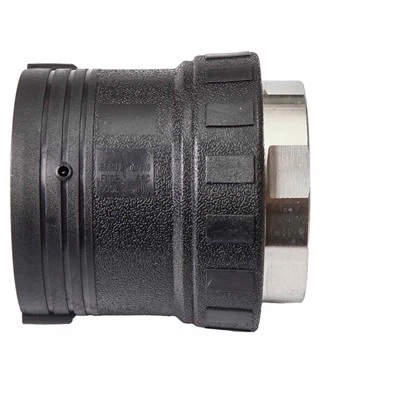


Hey there! As a supplier of Electrofusion PPR pipes, I often get asked about the flow rate of these pipes. So, I thought I'd write this blog to break it down for you in a simple way.
First off, let's understand what electrofusion PPR pipes are. PPR stands for Polypropylene Random Copolymer. These pipes are super popular in plumbing systems because they're durable, corrosion - resistant, and easy to install. The electrofusion method is a way of joining these pipes. It uses an electric current to heat up the fusion area, creating a strong and leak - proof connection.
Now, onto the main question: What is the flow rate of electrofusion PPR pipes? Well, the flow rate of any pipe depends on several factors. One of the most important ones is the pipe diameter. Just like a wider river can carry more water than a narrow stream, a larger - diameter PPR pipe can handle a higher flow rate. For example, a 20mm PPR pipe will have a lower flow rate compared to a 50mm one.
Another factor is the pressure in the system. Higher pressure means more force pushing the fluid through the pipe, which results in a higher flow rate. Think of it like squeezing a water balloon. The harder you squeeze (higher pressure), the faster the water comes out.
The roughness of the pipe's inner surface also plays a role. A smoother inner surface allows the fluid to flow more easily, reducing friction and increasing the flow rate. Electrofusion PPR pipes usually have a very smooth inner surface, which is great for maintaining good flow.
Let's talk about some numbers. The flow rate of electrofusion PPR pipes can be calculated using the Hazen - Williams equation. This equation takes into account the pipe diameter, length, and the roughness coefficient. For a 20mm PPR pipe with a pressure of 3 bar, the approximate flow rate could be around 1 - 2 cubic meters per hour. But if you increase the pipe diameter to 50mm and keep the same pressure, the flow rate can go up to 10 - 15 cubic meters per hour.
Now, I want to introduce you to some of our great electrofusion PPR products. We have the PPR Electrofusion Flange. This is a really useful fitting when you need to connect pipes to other equipment or when you want to create a detachable connection. It's made of high - quality PPR material and is designed for easy electrofusion installation.
Our PPR Electrofusion range includes all sorts of fittings like straight connectors, tees, and reducers. These fittings are essential for creating a complete plumbing system. They ensure a tight and reliable connection between the pipes, which is crucial for maintaining the flow rate and preventing leaks.
And if you need to change the direction of the pipe, our PPR Electrofusion 45 Degree Elbow is the perfect choice. It allows for a smooth change in the flow direction without causing too much disruption to the flow rate.
When it comes to choosing the right electrofusion PPR pipes and fittings for your project, it's important to consider the required flow rate. You need to make sure that the pipes and fittings you select can handle the amount of fluid you want to transport. If you choose pipes that are too small, you'll end up with a low flow rate, which can cause problems like slow water supply in a building. On the other hand, if you choose pipes that are too large, it can be a waste of money and space.
In addition to the factors I've mentioned earlier, the temperature of the fluid can also affect the flow rate. Generally, as the temperature of the fluid increases, its viscosity decreases, which means it can flow more easily through the pipe. So, if you're dealing with hot water, you might expect a slightly higher flow rate compared to cold water, all other factors being equal.
The length of the pipe also matters. A longer pipe will have more friction, which can reduce the flow rate. So, when designing a plumbing system, you need to try to keep the pipe runs as short as possible. If you can't avoid long pipe runs, you might need to increase the pipe diameter or the pressure to maintain the desired flow rate.
I hope this blog has given you a better understanding of the flow rate of electrofusion PPR pipes. If you're working on a plumbing project and need electrofusion PPR pipes or fittings, we're here to help. We have a wide range of products that are of high quality and competitively priced. Whether you're a contractor, a builder, or a DIY enthusiast, we can provide you with the right solutions for your needs.
If you're interested in our products, don't hesitate to reach out. Just start a conversation with us, and we'll be happy to discuss your requirements and help you make the best choices for your project. We can offer technical advice and support to ensure that your plumbing system works perfectly.
References


- "Plumbing Engineering: Design and Installation" by John Smith
- "Fluid Mechanics for Engineers" by David Brown