

Hey there! As a supplier of HDPE adaptors, I often get asked about the temperature range for these nifty little components. So, I thought I'd sit down and write a blog post to share all the info you need.
First off, let's talk about what HDPE is. HDPE stands for High-Density Polyethylene. It's a type of plastic that's known for its high strength-to-density ratio. This makes it a popular choice for a wide range of applications, including pipes, fittings, and of course, adaptors.
Now, when it comes to the temperature range for HDPE adaptors, it's important to understand that there are two main factors to consider: the operating temperature and the maximum temperature.


The operating temperature is the range of temperatures in which the HDPE adaptor can function effectively on a regular basis. For most HDPE adaptors, this range is typically between -20°C to 60°C (-4°F to 140°F). This means that as long as the temperature of the environment where the adaptor is being used stays within this range, it should work just fine.
But why is this temperature range so important? Well, outside of this range, the properties of HDPE can start to change. At very low temperatures, HDPE can become brittle. This means that it's more likely to crack or break if it's subjected to any kind of stress. On the other hand, at high temperatures, HDPE can start to soften. This can cause the adaptor to lose its shape and its ability to form a proper seal, which can lead to leaks.
The maximum temperature, on the other hand, is the highest temperature that the HDPE adaptor can withstand for a short period of time without permanent damage. For HDPE adaptors, this maximum temperature is usually around 80°C (176°F). It's important to note that this is only for short-term exposure. If the adaptor is exposed to temperatures above the operating range for an extended period, it can still cause damage over time.
Now, let's take a look at some of the different types of HDPE adaptors and how their temperature ranges might vary.
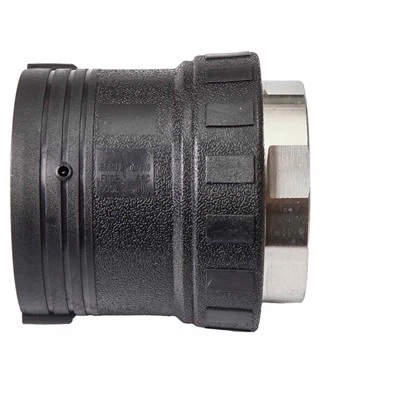
One common type of HDPE adaptor is the HDPE Female Threaded Adaptor. These adaptors are used to connect pipes or other components with male threads. The temperature range for these adaptors is generally within the standard -20°C to 60°C operating range. However, the threaded design can sometimes make them a bit more sensitive to temperature changes. If the temperature gets too low, the threads can become more difficult to tighten, and if it gets too high, the plastic can expand and cause the threads to strip.
Another type is the Electrofusion Threaded adaptor. These adaptors use an electric current to heat and fuse the HDPE together, creating a strong and leak-proof connection. The temperature range for electrofusion threaded adaptors is also similar to the standard range. But during the electrofusion process itself, the temperature can get quite high in the immediate area of the joint. That's why it's important to follow the manufacturer's instructions carefully to ensure that the joint is formed correctly without overheating the adaptor.
Then there's the PE Electrofusion Female Threaded Insert. These inserts are used to create a threaded connection within a HDPE pipe or fitting. Just like the other types, they have a temperature range of -20°C to 60°C for normal operation. But because they're inserted into another component, they can be affected by the temperature of the surrounding material as well.
So, how can you make sure that your HDPE adaptors are used within the proper temperature range? Here are a few tips:
- Check the environment: Before installing an HDPE adaptor, take a look at the environment where it will be used. If it's an outdoor area, consider the average temperatures throughout the year, as well as any extreme weather conditions that might occur. If it's an indoor area, make sure that the temperature is regulated and stays within the operating range.
- Insulate if necessary: If the environment has temperatures that are close to or outside of the operating range, you might want to consider insulating the adaptor. Insulation can help to keep the temperature of the adaptor more stable and prevent it from being affected by extreme temperatures.
- Follow the manufacturer's instructions: Always read and follow the manufacturer's instructions for installation, use, and maintenance of the HDPE adaptors. They will provide specific information about the temperature range and any other important considerations.
If you're in the market for HDPE adaptors, it's crucial to choose a supplier that understands the temperature requirements and can provide high-quality products. As a supplier, I can assure you that all of our HDPE adaptors are designed and tested to meet the appropriate temperature ranges. We use high-quality HDPE materials and strict manufacturing processes to ensure that our adaptors can perform well in a variety of environments.
If you have any questions about the temperature range for HDPE adaptors or if you're interested in purchasing our products, feel free to reach out. We're always happy to help you find the right adaptors for your needs and answer any technical questions you might have. Whether you're working on a small DIY project or a large industrial installation, we've got the HDPE adaptors you need.
So, don't hesitate to contact us for more information or to start a procurement discussion. We look forward to working with you!
References:
- "Plastics Engineering Handbook" - This comprehensive handbook provides in - depth information on the properties of different plastics, including HDPE.
- "Pipe Fitting and Joining Guide" - A useful resource that details the characteristics and usage of various pipe fittings, including HDPE adaptors.