
Understanding the Contenders: A Brief Overview
- HDPE (High-Density Polyethylene): Known for its exceptional toughness, flexibility, and resistance to chemicals and abrasion. It is joined using heat fusion (butt or electrofusion), creating a leak-free, monolithic system.
- PVC-U (Unplasticized Polyvinyl Chloride): A rigid, cost-effective, and lightweight material. It is widely used and joined with solvent cement, making it quick to install for non-pressurized drainage.
- PP-R (Polypropylene Random Copolymer): Primarily renowned for its high-temperature resistance in pressurized water supply systems. It is also used in drainage and is fused using heat.

Key Performance Comparison: An Engineer's Perspective
To make a data-driven decision, let's break down the key performance metrics in a drainage context.
1. Chemical Resistance & Corrosion Immunity
All three plastics offer excellent resistance to chemical corrosion compared to metals, making them ideal for industrial and municipal wastewater.
- HDPE: Excels in handling a wide range of acids, alkalis, and salts. Its superior performance makes it the preferred choice for aggressive industrial effluents and landfill leachate collection systems.
- PVC-U: Offers very good chemical resistance, suitable for most domestic sewage and many industrial applications.
- PP-R: Has good chemical resistance but may be less suitable than HDPE for certain harsh organic chemicals.
The Zhejiang Fenghe Advantage in HDPE: Our HDPE electrofusion fittings are manufactured from 100% virgin raw materials, ensuring a consistent molecular structure that provides predictable and unwavering resistance to corrosive elements found in demanding drainage environments.


2. Impact Strength & Durability
This is a critical factor, especially for buried applications or sites with heavy traffic.
- HDPE: Outstanding. It is renowned for its high impact strength, even at low temperatures. It won't crack or break easily, and it can withstand soil movements and ground loading.
- PVC-U: More rigid but also more brittle, especially in cold weather. It is more susceptible to impact damage during handling or installation.
- PP-R: Has good impact resistance but generally lower than HDPE.
3. Joint Integrity: The Secret to a Leak-Free System
The connection method is where the long-term reliability of a drainage system is truly determined.
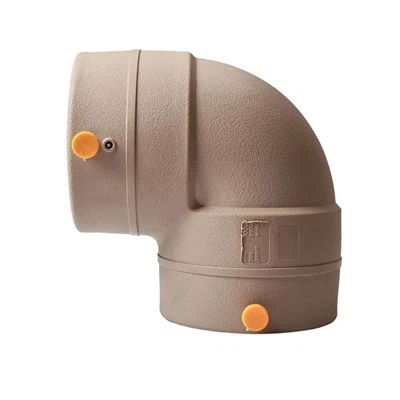
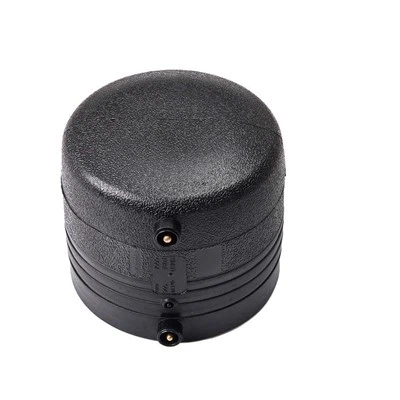
- HDPE Electrofusion: The fusion process melts the pipe and fitting into a single, homogeneous piece. The joint is as strong as the pipe itself, eliminating the risk of root intrusion or leakage. This is a core focus at Zhejiang Fenghe Pipe Industry, where our electrofusion fittings are designed with precision to ensure perfect, full-strength welds every time.
- PVC-U Solvent Cement: The joint depends on chemical welding. While effective, it can be susceptible to human error during application and requires a well-ventilated area. The joint remains a potential weak point over time.
- PP-R Heat Fusion: Similar to HDPE, it creates a strong, leak-free joint. However, the techniques and equipment differ from those used for HDPE.
Making the Right Choice for Your Project
So, which material should you choose? Here's a practical breakdown:
Choose HDPE Electrofusion If:
- Your project demands the highest level of leak integrity (e.g., under pavements, buildings, or environmentally sensitive areas).
- You need superior flexibility and resistance to ground movement.
- You are dealing with aggressive chemicals or require exceptional abrasion resistance.
- You are installing in tough terrain or with deep burial depths.
Choose PVC-U If:
- Initial cost is the primary driver and the project budget is tight.
- The application is for standard, gravity-flow domestic sewage without extreme chemical loads.
- The installation is straightforward, and the soil conditions are stable.
Choose PP-R If:
- The drainage application involves consistently high-temperature fluids.
- You are already using PP-R for the building's pressurized hot and cold water supply and want consistency in material handling for the drainage.
Why Quality HDPE Electrofusion Fittings from Zhejiang Fenghe Make the Difference
Choosing HDPE is a smart decision, but the quality of the electrofusion fittings is paramount to realizing its full benefits. As a specialized source manufacturer, Zhejiang Fenghe builds reliability into every product.

Our factory's 21 automated production lines and strict adherence to standardized sampling during manufacturing ensure that every electrofusion fitting, from saddles to tees, delivers consistent welding performance. We reject post-wire-filling and undersized fittings, guaranteeing that the product you receive meets the specifications required for a perfect, permanent seal. This commitment to quality provides our municipal engineering and distributor partners with the confidence to build durable, long-lasting drainage infrastructure.
Conclusion
There is no one-size-fits-all answer. While PVC-U offers an economical solution for standard applications and PP-R handles heat well, HDPE electrofusion stands out for demanding, critical drainage systems where long-term reliability, structural integrity, and leak prevention are non-negotiable.
By investing in a high-quality HDPE system with reliable electrofusion fittings from a trusted manufacturer like Zhejiang Fenghe Pipe Industry, you are not just buying a product-you are investing in the peace of mind that comes with a durable, maintenance-free drainage solution.