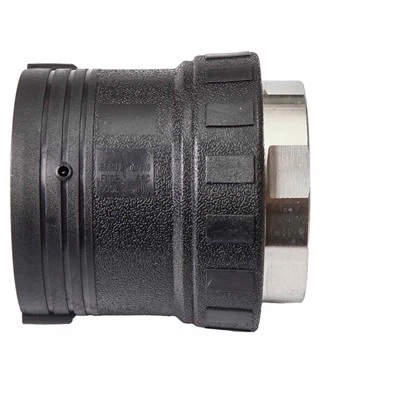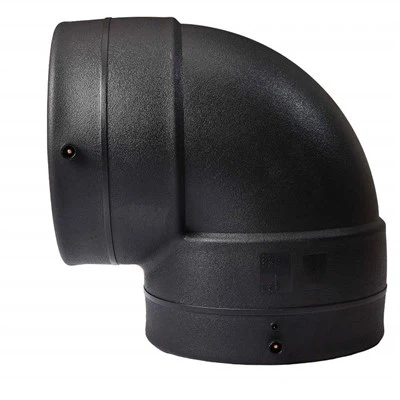


Installing electrofusion fittings in confined spaces can be a challenging yet crucial task, especially when dealing with high - density polyethylene (HDPE) piping systems. As a supplier of electrofusion fittings, I've witnessed firsthand the importance of proper installation techniques in these tight areas. In this blog, I'll share some valuable insights on how to successfully install electrofusion fittings in confined spaces.
Understanding the Challenges of Confined Spaces
Confined spaces present unique obstacles during the installation of electrofusion fittings. Limited access restricts the movement of tools and equipment, making it difficult to position the fittings accurately. Additionally, poor ventilation can lead to the accumulation of fumes generated during the welding process, posing health risks to the installers. The lack of space also makes it challenging to perform pre - installation checks and post - installation inspections.
Pre - installation Preparations
Planning and Measurement
Before starting the installation, a detailed plan is essential. Measure the available space carefully to ensure that the electrofusion fittings can fit properly. Consider the length, diameter, and any bends or angles in the piping system. This will help you select the appropriate fittings, such as HDPE Electrofusion Coupler or Electrofusion PE Flange. Make sure to account for any additional space required for the welding equipment and the movement of the installer's hands.


Cleaning and Preparation of Pipes
Proper cleaning of the pipes is crucial for a successful electrofusion joint. Use a clean, dry cloth to remove any dirt, grease, or moisture from the pipe surfaces. If necessary, use a pipe scraper to remove the outer layer of the pipe, as this can improve the adhesion between the pipe and the fitting. Ensure that the pipe ends are cut square and free from any burrs.
Safety Precautions
Safety should always be a top priority when working in confined spaces. Provide adequate ventilation to remove fumes generated during the welding process. Installers should wear appropriate personal protective equipment (PPE), including gloves, safety glasses, and respiratory protection. Conduct a risk assessment before starting the work to identify any potential hazards and develop strategies to mitigate them.
Installation Process
Positioning the Fittings
In confined spaces, positioning the electrofusion fittings accurately can be a challenge. Use specialized tools, such as pipe alignment clamps, to hold the pipes in place. Carefully insert the fitting onto the pipe ends, ensuring that it is centered and fully seated. Check the alignment of the fitting with the pipes to avoid any misalignment, which can lead to a weak joint.
Connecting the Welding Equipment
Once the fittings are in place, connect the welding equipment to the fitting's terminals. Follow the manufacturer's instructions for the correct connection procedure. Make sure that the welding parameters, such as voltage and time, are set correctly according to the size and type of the fitting.
Welding the Fittings
Start the welding process and monitor it closely. In confined spaces, it may be difficult to observe the entire welding area. Use mirrors or cameras if necessary to ensure that the welding is progressing smoothly. Avoid any movement of the pipes or fittings during the welding process, as this can disrupt the formation of a strong joint.
Cooling and Inspection
After the welding is complete, allow the joint to cool naturally. Do not apply any external force or pressure to the joint during the cooling period. Once the joint has cooled, conduct a visual inspection to check for any signs of defects, such as cracks or uneven welds. You can also perform a pressure test to ensure the integrity of the joint.
Tips for Success
Use of Specialized Tools
Invest in specialized tools designed for working in confined spaces. These tools can make the installation process easier and more efficient. For example, there are compact pipe cutters and scrapers that can be used in tight areas.
Training and Experience
Ensure that the installers have the necessary training and experience in electrofusion fitting installation. Training programs can provide them with the knowledge and skills required to handle the challenges of working in confined spaces.
Collaboration with Suppliers
As a supplier of electrofusion fittings, we are here to support you throughout the installation process. Our technical experts can provide you with advice on the selection of the right fittings and the proper installation techniques. We can also offer on - site support if needed.
Conclusion
Installing electrofusion fittings in confined spaces requires careful planning, proper preparation, and the use of appropriate techniques. By following the steps outlined in this blog, you can ensure a successful installation and a reliable joint. If you are in need of high - quality electrofusion fittings or have any questions about the installation process, please feel free to contact us. We are committed to providing you with the best products and services to meet your needs.
References
- Manufacturer's manuals for electrofusion fittings
- Industry standards for HDPE piping installation
- Safety guidelines for working in confined spaces