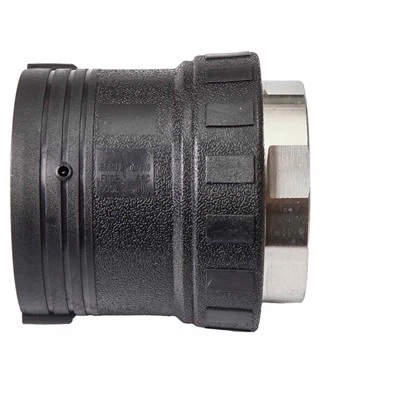


As a Pipe Electrofusion supplier, I've witnessed the growing importance of recycling electrofusion pipe fittings in the industry. Recycling not only helps in conserving resources but also reduces the environmental impact associated with the production and disposal of these fittings. In this blog, I'll share some insights on how to recycle electrofusion pipe fittings effectively.
Understanding Electrofusion Pipe Fittings
Before delving into the recycling process, it's essential to understand what electrofusion pipe fittings are. These fittings are commonly made from high - density polyethylene (HDPE), which is a thermoplastic polymer. They are used to join HDPE pipes by using an electric current to heat an embedded wire coil, melting the fitting and the pipe together to create a strong, leak - proof joint.
The most common types of electrofusion pipe fittings include Electrofusion End Cap, HDPE Fusion Fittings, and Fitting HDPE Electrofusion. Each type has its own unique design and application, but they all share the characteristic of being made from HDPE.
The Need for Recycling
The production of HDPE electrofusion pipe fittings requires significant amounts of energy and raw materials. By recycling these fittings, we can reduce the demand for virgin HDPE, which in turn conserves natural resources and reduces greenhouse gas emissions. Additionally, proper recycling helps to prevent these fittings from ending up in landfills, where they can take hundreds of years to decompose.


Steps to Recycle Electrofusion Pipe Fittings
1. Collection
The first step in the recycling process is to collect the used electrofusion pipe fittings. This can be done through various methods. For large - scale projects, contractors can set up collection points on - site to gather all the used fittings at the end of the project. Smaller users, such as homeowners or DIY enthusiasts, can take their used fittings to local recycling centers or collection events.
It's important to ensure that the collected fittings are clean and free from any contaminants. If the fittings have been used in a dirty or hazardous environment, they may need to be thoroughly cleaned before recycling.
2. Sorting
Once the fittings are collected, they need to be sorted. This involves separating the electrofusion fittings from other types of plastic waste and also categorizing them by their size, shape, and type. Sorting is crucial because different types of HDPE may have different melting points and properties, and mixing them can affect the quality of the recycled material.
For example, electrofusion end caps may have a different wall thickness and density compared to other types of fittings. By sorting them properly, we can ensure that the recycling process is more efficient and the end - product is of higher quality.
3. Shredding
After sorting, the electrofusion pipe fittings are shredded into small pieces. Shredding increases the surface area of the plastic, making it easier to melt and process in the subsequent steps. Specialized shredding equipment is used to ensure that the pieces are of a uniform size.
The shredded plastic is then usually washed to remove any remaining dirt, debris, or labels. This step is important to improve the purity of the recycled material.
4. Melting and Extrusion
The shredded and washed plastic pieces are then fed into a melting machine. The machine heats the plastic to its melting point, which for HDPE is typically around 120 - 180°C. Once melted, the plastic is extruded through a die to form new shapes, such as pellets or sheets.
These new forms of recycled HDPE can then be used to manufacture a variety of products, including new electrofusion pipe fittings, other plastic pipes, or even non - pipe plastic products like plastic lumber or containers.
5. Quality Control
Throughout the recycling process, quality control is essential. Samples of the recycled material are taken at various stages to test its physical and chemical properties. This ensures that the recycled HDPE meets the required standards for use in new products.
Tests may include measuring the density, melt flow index, and tensile strength of the recycled plastic. If the material does not meet the standards, it may need to be re - processed or blended with virgin HDPE to improve its quality.
Challenges in Recycling Electrofusion Pipe Fittings
While the recycling process seems straightforward, there are several challenges that need to be addressed. One of the main challenges is the presence of the embedded wire coil in electrofusion fittings. The wire coil is used to generate heat during the fusion process, but it can be difficult to separate from the HDPE during recycling.
Specialized equipment and techniques are required to remove the wire coil without damaging the plastic. Another challenge is the contamination of the fittings. If the fittings have been used in a chemical - rich or dirty environment, they may be difficult to clean and recycle.
Benefits of Recycling for Our Business and the Industry
As a Pipe Electrofusion supplier, promoting recycling has several benefits for our business. Firstly, it enhances our brand image as an environmentally - conscious company. Customers are increasingly looking for suppliers who are committed to sustainability, and by offering recycling solutions, we can attract more customers.
Secondly, recycling can also reduce our production costs in the long run. By using recycled HDPE in the manufacturing of new fittings, we can reduce our reliance on virgin materials, which are often more expensive.
On an industry - wide level, recycling electrofusion pipe fittings can help to create a more circular economy. It encourages the reuse of materials, reduces waste, and promotes a more sustainable approach to the production and use of plastic products.
Encouraging Customers to Recycle
To promote recycling among our customers, we can take several steps. We can provide clear instructions on how to recycle our electrofusion pipe fittings on our product packaging and website. We can also offer incentives, such as discounts on new products for customers who return their used fittings for recycling.
Additionally, we can partner with local recycling centers and waste management companies to make the recycling process more accessible for our customers. By working together, we can increase the recycling rate of electrofusion pipe fittings and contribute to a greener future.
Conclusion
Recycling electrofusion pipe fittings is an important step towards a more sustainable future. As a Pipe Electrofusion supplier, we have a responsibility to promote and facilitate the recycling process. By following the steps outlined in this blog, we can ensure that the used fittings are recycled efficiently and effectively, reducing the environmental impact of our products.
If you're interested in learning more about our electrofusion pipe fittings or would like to discuss purchasing options, we'd love to hear from you. Contact us to start a conversation about your specific needs and how we can provide you with high - quality, sustainable electrofusion solutions.
References
- ASTM International. "Standard Specification for High - Density Polyethylene (HDPE) Plastic Pipe and Fittings Materials."
- European Plastic Converters. "Recycling of Plastics in Europe: Facts and Figures."
- The Plastics Industry Association. "Plastic Recycling: A Guide for Businesses and Consumers."