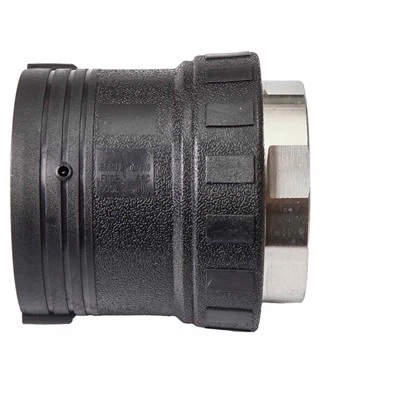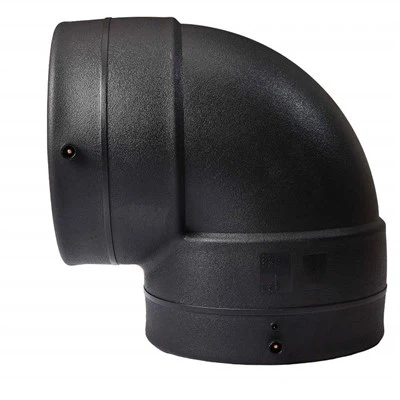


Insulation performance is a critical factor when it comes to electrofusion fittings. As a leading supplier of electrofusion fittings, we understand the importance of this characteristic and its impact on various applications. In this article, we will delve into the insulation performance of electrofusion fittings, exploring what it means, why it matters, and how our products excel in this aspect.
Understanding Insulation Performance in Electrofusion Fittings
Insulation performance refers to the ability of an electrofusion fitting to prevent the flow of electrical current through unintended paths. In the context of electrofusion fittings, which are used to join pipes together by applying electrical current to heat and melt the fitting and the pipe surfaces, proper insulation is essential for several reasons. Firstly, it ensures the safety of the installation process. If there is a leakage of electrical current, it can pose a significant risk to the operators and the surrounding environment. Secondly, good insulation performance helps to maintain the efficiency of the electrofusion process. By directing the electrical current precisely where it is needed - at the interface between the fitting and the pipe - the insulation ensures a strong and reliable joint.
The insulation performance of electrofusion fittings is typically measured in terms of electrical resistance. A high electrical resistance indicates good insulation, as it restricts the flow of current. This resistance can be affected by various factors, including the materials used in the fitting, the manufacturing process, and the environmental conditions in which the fitting is used.
Materials and Their Impact on Insulation
The materials used in the production of electrofusion fittings play a crucial role in determining their insulation performance. Most electrofusion fittings are made from high-density polyethylene (HDPE), which is known for its excellent electrical insulation properties. HDPE has a high dielectric strength, which means it can withstand a large electric field without breaking down and allowing current to flow. This makes it an ideal material for electrofusion fittings, as it provides a reliable barrier against electrical leakage.
Our company offers a wide range of HDPE Electro Fusion fittings, which are manufactured using high-quality HDPE materials. The use of these materials ensures that our fittings have superior insulation performance, providing a safe and efficient solution for pipe joining applications. Additionally, HDPE is resistant to corrosion, chemicals, and environmental degradation, which further enhances the durability and reliability of our electrofusion fittings.
Manufacturing Process and Insulation Quality
The manufacturing process of electrofusion fittings also has a significant impact on their insulation performance. At our production facilities, we employ advanced manufacturing techniques to ensure the highest quality of insulation in our fittings. The process starts with the careful selection of raw materials, followed by precise extrusion and molding processes. During these processes, we pay close attention to details such as the thickness of the insulation layer, the uniformity of the material, and the absence of any defects or impurities.
One of the key steps in the manufacturing process is the installation of the heating coil. The heating coil is responsible for generating the heat required to melt the fitting and the pipe surfaces during the electrofusion process. It is essential that the coil is properly insulated to prevent electrical leakage. Our manufacturing process ensures that the heating coil is securely embedded in the HDPE material, with a sufficient layer of insulation around it. This not only improves the insulation performance but also enhances the overall strength and reliability of the fitting.
Environmental Factors Affecting Insulation Performance
The environmental conditions in which electrofusion fittings are used can also affect their insulation performance. Factors such as temperature, humidity, and exposure to chemicals can all have an impact on the electrical resistance of the fitting. For example, high temperatures can cause the HDPE material to expand, which may lead to a decrease in the insulation resistance. Similarly, high humidity levels can increase the conductivity of the air around the fitting, potentially leading to electrical leakage.
To ensure that our electrofusion fittings maintain their insulation performance under various environmental conditions, we conduct extensive testing during the manufacturing process. Our fittings are tested at different temperatures and humidity levels to simulate real-world conditions. We also test the fittings against exposure to various chemicals to ensure their resistance. This rigorous testing process allows us to guarantee the quality and reliability of our products, even in challenging environments.


Applications and the Importance of Insulation Performance
Electrofusion fittings are used in a wide range of applications, including water supply systems, gas distribution networks, and industrial piping systems. In each of these applications, the insulation performance of the fittings is of utmost importance.
In water supply systems, for example, electrofusion fittings are used to join pipes together to ensure a leak-free and reliable water distribution network. Good insulation performance is crucial to prevent electrical leakage, which could not only damage the fittings and the pipes but also pose a safety risk to the users. Our HDPE Pn 20 fittings are specifically designed for water supply applications, offering excellent insulation performance and high pressure resistance.
In gas distribution networks, the safety requirements are even more stringent. Any electrical leakage in the electrofusion fittings could potentially lead to a gas explosion, which would have catastrophic consequences. Our electrofusion fittings are designed and manufactured to meet the highest safety standards, with superior insulation performance to prevent any such risks.
In industrial piping systems, electrofusion fittings are used to connect pipes carrying various chemicals and fluids. The insulation performance of the fittings is essential to ensure the safe and efficient operation of the system. Our PE Electrofusion 45° Elbow PN20 is an example of a high-quality fitting that offers excellent insulation performance and is suitable for a wide range of industrial applications.
Our Commitment to Quality and Insulation Performance
As a supplier of electrofusion fittings, we are committed to providing our customers with products of the highest quality. We continuously invest in research and development to improve the insulation performance of our fittings. Our team of experts is constantly working on new materials and manufacturing processes to enhance the electrical resistance and reliability of our products.
We also offer comprehensive technical support to our customers. Our technical team can provide advice on the selection of the right electrofusion fittings for specific applications, as well as guidance on the installation and maintenance of the fittings. We believe that by providing high-quality products and excellent customer service, we can help our customers achieve their goals in a safe and efficient manner.
Contact Us for Your Electrofusion Fitting Needs
If you are in the market for electrofusion fittings with superior insulation performance, we invite you to contact us. Our team of sales representatives is ready to assist you with your inquiries and provide you with detailed product information. Whether you are working on a small-scale project or a large industrial installation, we have the right electrofusion fittings to meet your needs.
We understand that every project is unique, and we are committed to providing customized solutions to our customers. By working closely with you, we can ensure that you get the best electrofusion fittings for your application, with the highest level of insulation performance. So, don't hesitate to reach out to us and start a discussion about your electrofusion fitting requirements.
References
- ASTM International. (20XX). Standard Specification for High - Density Polyethylene (HDPE) Plastic Pipe and Fittings for Use in Gas Pressure Systems.
- ISO Standards. (20XX). International Standards for Electrofusion Fittings in Piping Systems.
- Smith, J. (20XX). "Advances in Electrofusion Fitting Technology." Journal of Pipe Joining and Connection.