

Can male adapter HDPE be used in compressed air systems?
As a supplier of Male Adapter HDPE, I often encounter inquiries regarding the suitability of our products in compressed air systems. This blog post aims to delve into this topic, providing a comprehensive analysis based on scientific and practical perspectives.
Understanding HDPE and Male Adapters
High - density polyethylene (HDPE) is a thermoplastic polymer known for its excellent chemical resistance, high strength - to - density ratio, and durability. Male adapters made from HDPE are designed to connect different components in a piping system, typically by fitting into a corresponding female connection.
Compressed Air Systems: Requirements and Challenges
Compressed air systems are widely used in various industries, including manufacturing, automotive, and food processing. These systems must meet strict requirements for safety, reliability, and efficiency. The compressed air can carry contaminants, moisture, and may be at high pressures, which pose challenges to the materials used in the system.
Advantages of Using Male Adapter HDPE in Compressed Air Systems
Chemical Resistance
One of the significant advantages of HDPE is its outstanding chemical resistance. Compressed air may contain various chemicals, such as lubricants, solvents, and cleaning agents. HDPE male adapters can withstand exposure to these chemicals without degradation, ensuring the long - term integrity of the system. For example, in a manufacturing plant where solvents are used in the production process, HDPE adapters can prevent corrosion and leakage caused by chemical reactions.
Lightweight and Easy Installation
HDPE is a lightweight material compared to metals such as steel or brass. This makes the male adapters easier to handle during installation, reducing labor costs and the risk of injuries. Additionally, HDPE can be easily cut, shaped, and welded, allowing for quick and flexible installation in different compressed air system configurations.
Cost - Effectiveness
HDPE male adapters are generally more cost - effective than their metal counterparts. The raw material cost of HDPE is lower, and the manufacturing process is less complex. This cost advantage can be significant, especially for large - scale compressed air systems where numerous adapters are required.
Limitations and Considerations
Pressure Rating
One of the main limitations of using HDPE male adapters in compressed air systems is their pressure rating. HDPE has a lower pressure - bearing capacity compared to metals. While HDPE can handle moderate pressures, in high - pressure compressed air systems, there is a risk of the adapter failing under stress. It is crucial to carefully assess the operating pressure of the compressed air system and select HDPE male adapters with an appropriate pressure rating.
Temperature Sensitivity
HDPE is sensitive to temperature changes. At high temperatures, the mechanical properties of HDPE can degrade, reducing its strength and pressure - bearing capacity. In compressed air systems where the air temperature may rise due to compression or external heat sources, it is necessary to ensure that the operating temperature is within the acceptable range for HDPE.
Compatibility with Other Components
When using HDPE male adapters in compressed air systems, it is essential to consider their compatibility with other components. For example, the adapter must be compatible with the piping material, seals, and other fittings. Incompatible materials can lead to leakage, reduced performance, and even system failure.
Our Product Range and Solutions
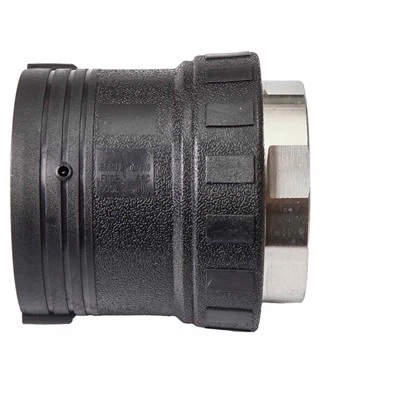
As a supplier of Male Adapter HDPE, we offer a wide range of products to meet different requirements in compressed air systems. Our products include PE Electrofusion Threaded Insert, which provides a reliable connection method for HDPE pipes and other components. The electrofusion technology ensures a strong and leak - proof joint, enhancing the overall performance of the compressed air system.
We also provide HDPE Female Threaded Adaptor, which can be used in combination with our male adapters to create a complete piping system. These female threaded adaptors are designed to fit precisely with our male adapters, ensuring a tight and secure connection.
In addition, our Electrofusion Steel PE Transition Fittings are ideal for applications where HDPE pipes need to be connected to steel components. These transition fittings provide a seamless connection between different materials, allowing for the integration of HDPE into existing compressed air systems.


Conclusion
In conclusion, male adapter HDPE can be used in compressed air systems, but with certain limitations and considerations. The chemical resistance, lightweight, and cost - effectiveness of HDPE make it an attractive option for many applications. However, the pressure rating, temperature sensitivity, and compatibility with other components must be carefully evaluated.
If you are considering using Male Adapter HDPE in your compressed air system, we invite you to contact us for more information and to discuss your specific requirements. Our team of experts can provide you with professional advice and customized solutions to ensure the success of your project. Whether you need a small - scale system for a workshop or a large - scale industrial installation, we have the products and expertise to meet your needs.
References
- "Handbook of Thermoplastics" by O. Olabisi
- "Compressed Air Systems: Design, Operation, and Maintenance" by P. A. Schweitzer
- "Polyethylene Pipes: Properties, Design, and Applications" by R. N. Shah