

Hey there! As a supplier of electrofusion couplers, I often get asked about the sound insulation performance of these nifty little devices. So, I thought I'd take a deep dive into this topic and share what I've learned over the years.
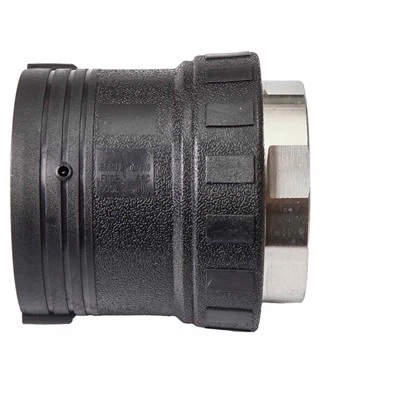
First off, let's talk about what electrofusion couplers are. They're used to join pipes together, mainly in the world of high - density polyethylene (HDPE) piping systems. You can check out our Electrofusion HDPE Coupler on our website. These couplers work by using an electric current to heat up built - in resistance wires, which then melt the coupler and the pipe surfaces, creating a strong, leak - free joint.


Now, onto the main question: what's their sound insulation performance like? Well, it's a bit more complicated than you might think. The sound insulation of electrofusion couplers depends on several factors.
One of the key factors is the material. HDPE, the most common material for these couplers, has some inherent sound - dampening properties. HDPE is a dense polymer, and its molecular structure helps to absorb and disperse sound waves to some extent. When sound travels through a pipe system, the HDPE coupler can act as a barrier, reducing the amount of noise that escapes or is transmitted along the pipe.
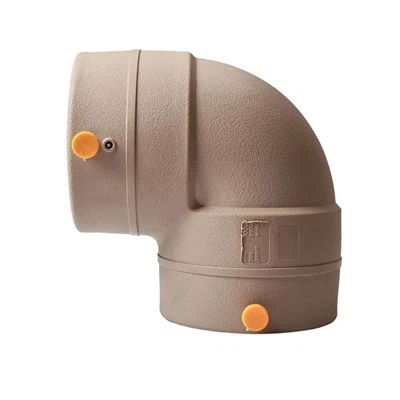
Another factor is the design of the coupler. A well - designed electrofusion coupler will have a proper fit with the pipes. A tight fit means that there are fewer gaps where sound can leak through. For example, our HDPE Electrofusion 90 Degree Elbow is engineered to provide a seamless connection with the pipes, which helps in minimizing sound transmission at the joint.
The thickness of the coupler also plays a role. Thicker couplers generally offer better sound insulation. A thicker layer of HDPE means more material for the sound waves to pass through, and this extra material can absorb more of the sound energy. However, there's a balance to be struck here. Making the coupler too thick can increase costs and may also make the installation process more difficult.
The operating conditions of the pipe system can also affect the sound insulation performance. For instance, if the fluid flowing through the pipes is under high pressure, it can create more noise. The electrofusion coupler needs to be able to withstand this pressure and still maintain its sound - dampening capabilities. In high - pressure systems, the coupler may experience more stress, which could potentially affect its ability to insulate sound.
Let's compare electrofusion couplers with other types of pipe joints in terms of sound insulation. Traditional mechanical joints, like threaded or flanged joints, often have more gaps and are less effective at sound insulation. These joints rely on gaskets and bolts, and over time, these components can loosen, creating more opportunities for sound to escape. In contrast, electrofusion couplers create a continuous, welded - like joint that is more airtight and better at keeping the sound in the pipe.
Now, you might be wondering how we test the sound insulation performance of our electrofusion couplers. We use a variety of methods. One common way is to set up a test rig with a pipe system that includes the coupler. We then introduce a known sound source into the pipe, such as a pump or a flow of fluid, and measure the sound levels at different points along the pipe and outside the pipe. By comparing the sound levels with and without the coupler, we can get an idea of how well it insulates sound.
We also use computer simulations to model the sound transmission through the coupler and the pipe system. These simulations take into account factors like the material properties, the geometry of the coupler, and the fluid flow characteristics. This helps us to optimize the design of the coupler for better sound insulation.
In real - world applications, the sound insulation performance of electrofusion couplers can have a significant impact. For example, in residential plumbing systems, reducing the noise from water flow can make a big difference in the comfort of the occupants. No one wants to hear the loud gurgling and rushing sounds of water every time they turn on a faucet. In industrial settings, reducing noise can also improve the working environment and comply with noise regulations.
If you're in the market for electrofusion couplers and sound insulation is a priority for you, there are a few things to keep in mind. First, look for couplers made from high - quality HDPE. A good quality material will have better sound - dampening properties. Second, consider the design and thickness of the coupler. As I mentioned earlier, a well - designed and appropriately thick coupler will offer better sound insulation.
You might also want to consider the specific application. If you're using the couplers in a high - pressure system or a system with a lot of fluid flow, you may need a coupler that is specifically designed to handle those conditions. Our Electrofusion 45° Elbow is a great option for systems where you need to change the direction of the pipe, and it's engineered to perform well in various operating conditions.
In conclusion, electrofusion couplers can offer decent sound insulation performance, thanks to their material, design, and the way they create a tight joint. But it's important to understand the factors that affect this performance and choose the right coupler for your specific needs.
If you're interested in learning more about our electrofusion couplers or have any questions about their sound insulation performance, don't hesitate to reach out. We're here to help you find the best solutions for your pipe - joining needs. Whether you're working on a small residential project or a large - scale industrial installation, we've got the couplers that can meet your requirements.
References:
- "Polyethylene Pipes: Properties, Design, and Applications"
- Research papers on pipe joint acoustics from industry - leading institutions.