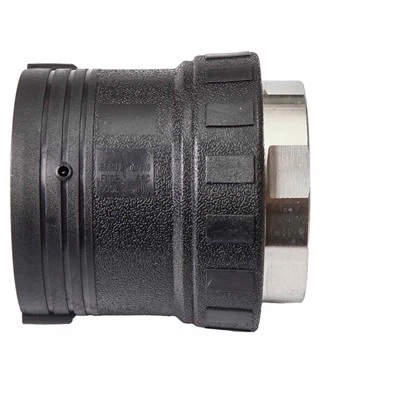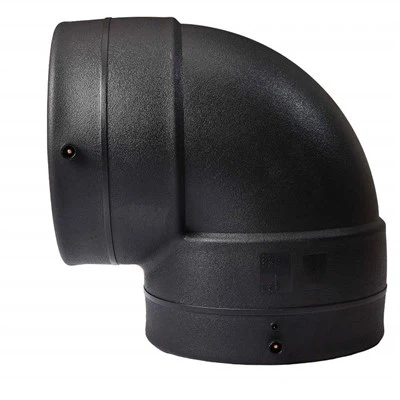


Abrasion resistance is a critical property for male adapter HDPE (High-Density Polyethylene) products, especially when they are used in various industrial and commercial applications. As a supplier of Male Adapter HDPE, I have witnessed firsthand the importance of this characteristic in ensuring the long - term performance and durability of these components.
Understanding HDPE and Its General Properties
HDPE is a thermoplastic polymer made from petroleum. It is known for its high strength - to - density ratio, which gives it excellent mechanical properties. The material is resistant to many chemicals, has a low moisture absorption rate, and is relatively lightweight compared to other materials like metal. These properties make HDPE a popular choice for a wide range of applications, including pipes, fittings, and adapters.
Male adapters are used to connect different types of pipes or components. They are designed to fit into a female fitting, creating a secure and reliable connection. In many cases, male adapter HDPE is used in plumbing systems, irrigation networks, and industrial fluid transfer applications.
Abrasion Resistance of Male Adapter HDPE
Abrasion resistance refers to the ability of a material to withstand wear and tear caused by friction, rubbing, or scraping against other surfaces. For male adapter HDPE, this property is crucial because these adapters are often installed in environments where they may come into contact with rough or abrasive materials.
Factors Affecting Abrasion Resistance
- Material Composition: The quality and composition of the HDPE resin used in the manufacturing of male adapters play a significant role in determining their abrasion resistance. High - quality HDPE resins with a uniform molecular structure tend to have better abrasion resistance. Additives can also be incorporated into the resin to enhance this property. For example, some manufacturers add anti - wear agents or fillers that can improve the surface hardness and reduce the rate of abrasion.
- Manufacturing Process: The way the male adapter is manufactured can also impact its abrasion resistance. Injection molding is a common method for producing HDPE male adapters. A well - controlled injection molding process ensures a consistent wall thickness and a smooth surface finish, which can reduce the chances of abrasion. On the other hand, if the manufacturing process is not optimized, it may result in surface defects or uneven material distribution, which can make the adapter more susceptible to abrasion.
- Operating Conditions: The environment in which the male adapter HDPE is used has a direct influence on its abrasion resistance. For instance, if the adapter is installed in a pipeline that transports abrasive fluids, such as slurries containing sand or gravel, it will be subjected to more severe abrasion compared to an adapter used in a clean water system. The flow rate of the fluid also matters. Higher flow rates can increase the velocity of the abrasive particles, leading to more rapid wear of the adapter.
Testing Abrasion Resistance
To ensure the quality and performance of male adapter HDPE, manufacturers often conduct abrasion resistance tests. One common test method is the Taber Abraser test. In this test, a sample of the HDPE male adapter is subjected to a rotating abrasive wheel under a specific load. The amount of material removed after a certain number of revolutions is measured, and this value is used to evaluate the abrasion resistance of the material.
Another test is the sand slurry abrasion test. In this test, the adapter is immersed in a sand - water slurry, and the slurry is circulated around the adapter at a controlled flow rate. After a set period, the weight loss of the adapter is measured to determine its resistance to abrasion.


Applications and the Importance of Abrasion Resistance
- Plumbing Systems: In residential and commercial plumbing systems, male adapter HDPE is used to connect different sections of pipes. Although the water flowing through these systems is usually clean, there may still be small particles or debris that can cause abrasion over time. A male adapter with good abrasion resistance will last longer and reduce the risk of leaks or failures in the plumbing system.
- Irrigation Networks: Irrigation systems often use HDPE pipes and adapters to distribute water to fields or gardens. The water may contain sediment or other abrasive substances, especially if it is sourced from a well or a river. Male adapters with high abrasion resistance can withstand the wear caused by these particles, ensuring the efficient operation of the irrigation system.
- Industrial Fluid Transfer: In industrial settings, male adapter HDPE is used in pipelines that transport various fluids, including chemicals, oils, and slurries. These fluids may be highly abrasive or corrosive. An adapter with excellent abrasion resistance can prevent premature failure and reduce maintenance costs in industrial fluid transfer applications.
Our Offerings as a Male Adapter HDPE Supplier
As a supplier of HDPE Male Adaptor, we understand the importance of abrasion resistance in our products. We use high - quality HDPE resins and advanced manufacturing processes to ensure that our male adapters have superior abrasion resistance. Our products are rigorously tested to meet or exceed industry standards.
We also offer a wide range of Flange Adaptor for HDPE Pipe and HDPE Male Adapter options to meet the diverse needs of our customers. Whether you need an adapter for a small - scale plumbing project or a large - scale industrial application, we have the right product for you.
Conclusion
The abrasion resistance of male adapter HDPE is a crucial factor that determines its performance and durability in various applications. By understanding the factors that affect abrasion resistance, conducting proper testing, and using high - quality materials and manufacturing processes, we can ensure that our male adapters provide long - lasting and reliable service.
If you are in the market for high - quality male adapter HDPE products, we invite you to contact us for a detailed discussion about your requirements. Our team of experts is ready to assist you in selecting the most suitable products for your projects. We are committed to providing you with the best solutions and excellent customer service.
References
- ASTM International. (20XX). Standard test methods for abrasion resistance of plastics.
- Plastics Institute of America. (20XX). Properties and applications of high - density polyethylene.
- Industry reports on HDPE pipe and fitting applications.