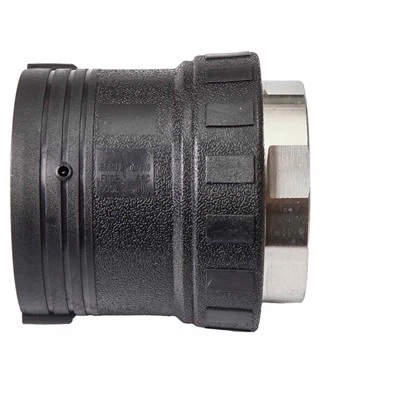


Ensuring the chemical compatibility of a flange adaptor for HDPE (High-Density Polyethylene) pipes with the fluid in the pipeline is a critical aspect of maintaining the integrity and longevity of the entire piping system. As a trusted supplier of Flange Adaptors For HDPE Pipe, I understand the importance of this issue and would like to share some valuable insights on how to achieve this compatibility.
Understanding the Basics of Chemical Compatibility
Chemical compatibility refers to the ability of a material to resist the chemical attack of a particular fluid under specific conditions such as temperature, pressure, and concentration. When a flange adaptor is not chemically compatible with the fluid in the pipeline, it can lead to a variety of problems, including corrosion, cracking, swelling, and loss of mechanical properties. These issues can compromise the safety and performance of the piping system, resulting in leaks, downtime, and costly repairs.
HDPE is a thermoplastic polymer known for its excellent chemical resistance, high strength-to-density ratio, and low moisture absorption. However, its chemical resistance can vary depending on the type of HDPE resin, the additives used, and the specific chemical environment. Therefore, it is essential to carefully evaluate the chemical compatibility of the flange adaptor with the fluid in the pipeline before installation.
Factors Affecting Chemical Compatibility
Several factors can affect the chemical compatibility of a flange adaptor for HDPE pipes with the fluid in the pipeline. These include:
1. Chemical Composition of the Fluid
The chemical composition of the fluid is the most critical factor in determining its compatibility with the flange adaptor. Different chemicals have different levels of reactivity with HDPE, and some chemicals can cause significant damage to the material. For example, strong oxidizing agents, such as chlorine and bromine, can react with HDPE and cause it to degrade over time. Similarly, solvents, such as acetone and toluene, can dissolve HDPE and cause it to lose its structural integrity.
2. Temperature and Pressure
Temperature and pressure can also have a significant impact on the chemical compatibility of the flange adaptor with the fluid in the pipeline. As the temperature increases, the chemical reactivity of the fluid and the HDPE material also increases, which can accelerate the degradation process. Similarly, high pressure can cause the fluid to penetrate the HDPE material more easily, leading to increased chemical attack.
3. Concentration of the Chemicals
The concentration of the chemicals in the fluid can also affect the chemical compatibility of the flange adaptor. Higher concentrations of chemicals generally have a greater potential to cause damage to the HDPE material. Therefore, it is important to consider the concentration of the chemicals in the fluid when evaluating the chemical compatibility of the flange adaptor.
4. Exposure Time
The length of time that the flange adaptor is exposed to the fluid in the pipeline can also affect its chemical compatibility. Prolonged exposure to a chemically aggressive fluid can cause cumulative damage to the HDPE material, leading to reduced performance and increased risk of failure.
Evaluating Chemical Compatibility
To ensure the chemical compatibility of a flange adaptor for HDPE pipes with the fluid in the pipeline, it is important to conduct a thorough evaluation of the chemical environment. This can be done through the following steps:
1. Identify the Chemicals in the Fluid
The first step in evaluating chemical compatibility is to identify the chemicals present in the fluid. This can be done by reviewing the material safety data sheets (MSDS) provided by the chemical supplier or by conducting chemical analysis of the fluid. It is important to consider all the chemicals present in the fluid, including any impurities or additives, as these can also affect the chemical compatibility of the flange adaptor.
2. Consult Chemical Resistance Charts
Once the chemicals in the fluid have been identified, the next step is to consult chemical resistance charts to determine the compatibility of the HDPE material with these chemicals. Chemical resistance charts provide information on the compatibility of different materials with a wide range of chemicals under specific conditions. However, it is important to note that these charts are only a general guide and may not provide accurate information for all applications. Therefore, it is recommended to conduct additional testing if there is any doubt about the chemical compatibility of the flange adaptor.
3. Conduct Laboratory Testing
In some cases, laboratory testing may be necessary to accurately evaluate the chemical compatibility of the flange adaptor with the fluid in the pipeline. Laboratory testing can involve exposing samples of the HDPE material to the fluid under controlled conditions and monitoring the changes in its physical and mechanical properties over time. This can provide more accurate information on the chemical compatibility of the flange adaptor and help to identify any potential issues before installation.
4. Consider the Operating Conditions
In addition to evaluating the chemical compatibility of the flange adaptor with the fluid, it is also important to consider the operating conditions of the pipeline, such as temperature, pressure, and flow rate. These factors can affect the performance of the flange adaptor and its compatibility with the fluid. For example, high temperatures and pressures can increase the chemical reactivity of the fluid and the HDPE material, which can accelerate the degradation process. Therefore, it is important to select a flange adaptor that is suitable for the specific operating conditions of the pipeline.
Selecting the Right Flange Adaptor
Based on the evaluation of the chemical compatibility and the operating conditions of the pipeline, it is important to select the right flange adaptor for the application. As a supplier of Flange Adaptors For HDPE Pipe, we offer a wide range of products that are designed to meet the specific needs of different applications. Some of our popular products include:
- HDPE Male Adapter: This type of adapter is used to connect HDPE pipes to other types of pipes or equipment. It is available in different sizes and configurations to suit different applications.
- PE Electrofusion Male Threaded Insert: This insert is used to create a threaded connection in HDPE pipes using electrofusion welding. It provides a strong and reliable connection and is suitable for use in high-pressure applications.
- PE Electrofusion Threaded Insert: This insert is similar to the PE Electrofusion Male Threaded Insert but is designed for use in female threaded connections. It is also suitable for use in high-pressure applications.
When selecting a flange adaptor, it is important to consider the following factors:
- Material Compatibility: Ensure that the flange adaptor is made from a material that is compatible with the fluid in the pipeline.
- Size and Configuration: Select a flange adaptor that is the correct size and configuration for the application.
- Pressure Rating: Consider the pressure rating of the flange adaptor to ensure that it can withstand the operating pressure of the pipeline.
- Temperature Rating: Ensure that the flange adaptor is suitable for the operating temperature of the pipeline.
- Installation Method: Choose a flange adaptor that is easy to install and requires minimal maintenance.
Installation and Maintenance
Proper installation and maintenance are also important factors in ensuring the chemical compatibility of the flange adaptor with the fluid in the pipeline. Here are some tips for installing and maintaining the flange adaptor:
1. Follow the Manufacturer's Instructions
Always follow the manufacturer's instructions when installing the flange adaptor. This includes using the correct tools and techniques, tightening the bolts to the recommended torque, and ensuring that the gasket is properly seated.
2. Inspect the Flange Adaptor Regularly
Regular inspection of the flange adaptor is essential to detect any signs of damage or degradation early. This can include checking for cracks, leaks, or changes in the appearance of the HDPE material. If any issues are detected, it is important to take appropriate action immediately to prevent further damage.
3. Clean the Flange Adaptor
Periodically clean the flange adaptor to remove any dirt, debris, or chemical residues that may have accumulated on its surface. This can help to prevent the buildup of corrosive substances and extend the life of the flange adaptor.
4. Replace the Flange Adaptor if Necessary
If the flange adaptor shows signs of significant damage or degradation, it is important to replace it immediately. Continuing to use a damaged flange adaptor can pose a safety risk and can lead to costly repairs or downtime.
Conclusion
Ensuring the chemical compatibility of a flange adaptor for HDPE pipes with the fluid in the pipeline is a critical aspect of maintaining the integrity and longevity of the entire piping system. By understanding the factors affecting chemical compatibility, evaluating the chemical environment, selecting the right flange adaptor, and following proper installation and maintenance procedures, you can minimize the risk of chemical attack and ensure the reliable performance of your piping system.


As a leading supplier of Flange Adaptors For HDPE Pipe, we are committed to providing our customers with high-quality products and expert advice on chemical compatibility. If you have any questions or need assistance in selecting the right flange adaptor for your application, please do not hesitate to contact us. We look forward to working with you to ensure the success of your project.
References
- ASTM D543 - Standard Practice for Evaluating the Resistance of Plastics to Chemical Reagents
- ISO 1043 - Plastics - Symbols and Abbreviated Terms - Part 1: Basic Polymers and Their Special Characteristics
- Chemical Resistance Guide for Plastics and Elastomers, published by the Society of Plastics Engineers