

In the realm of pipe joining methods, one question that frequently arises among industry professionals and decision-makers is whether pipe electrofusion is more expensive than other pipe joining methods. As a supplier of Pipe Electrofusion products, I am well - versed in this topic and eager to share insights that can help you make an informed decision.
Understanding Pipe Joining Methods
Before delving into the cost comparison, it's essential to understand the different pipe joining methods available in the market. There are several common techniques, including mechanical joints, solvent welding, butt fusion, and electrofusion.
Mechanical joints involve using fittings with gaskets and bolts to connect pipes. This method is relatively quick to install and can be disassembled if needed. Solvent welding is commonly used for PVC pipes, where a solvent is applied to the pipe ends, softening the material so that the pipes can be joined together. Butt fusion is a process where the ends of two pipes are heated and then pressed together to form a continuous joint.
Electrofusion, on the other hand, is a method that uses an electric current to heat an embedded heating element within a fitting. This melts the surrounding plastic of the fitting and the pipe, creating a strong, homogeneous joint. It is widely used for joining HDPE (High - Density Polyethylene) pipes, which are popular in various applications such as water supply, gas distribution, and sewage systems.
Cost Components of Pipe Joining
To accurately compare the costs of different pipe joining methods, we need to consider several factors, including the cost of materials, labor, equipment, and long - term maintenance.
Material Costs
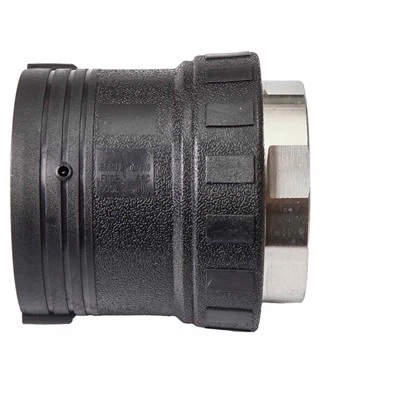
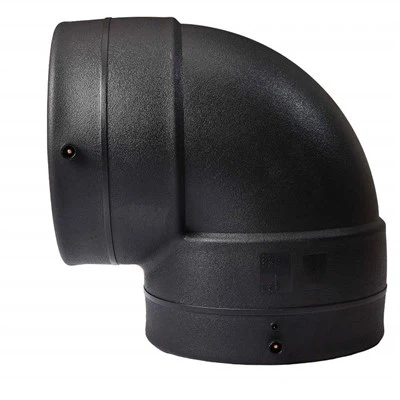
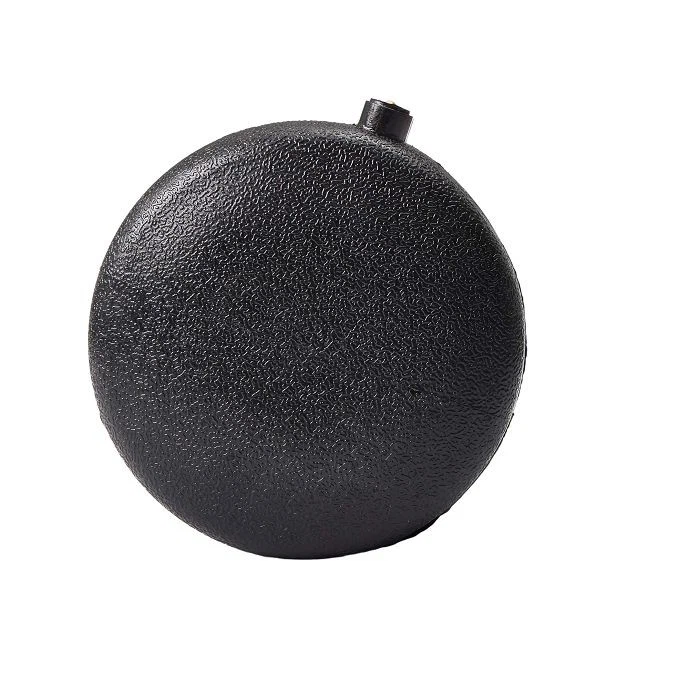
The cost of materials for electrofusion includes the electrofusion fittings and the pipes themselves. Electrofusion fittings, such as Electrofusion End Cap, Electro Fusion HDPE, and Electrofusion PE Cross, are generally more expensive than their counterparts used in other joining methods. This is because they are specially designed with an embedded heating element and require precise manufacturing processes.
However, HDPE pipes, which are commonly used with electrofusion, have a relatively lower cost compared to some other pipe materials like stainless steel or copper. So, while the fittings are more costly, the overall pipe material cost may be offset to some extent.
In contrast, mechanical joints require gaskets, bolts, and other hardware, which can add up in cost. Solvent welding requires solvents and sometimes additional primers, and butt fusion may need special welding machines and consumables.
Labor Costs
Labor costs are a significant part of the overall joining cost. Electrofusion generally requires less labor - intensive installation compared to some other methods. Once the pipes are properly prepared and the electrofusion fitting is in place, the welding process can be automated using a control unit. This reduces the time and skill level required for installation.
Mechanical joints, on the other hand, often involve a more complex installation process, including aligning the pipes, tightening bolts, and ensuring proper gasket placement. This can take more time and may require more skilled labor. Solvent welding also requires careful application of solvents and proper alignment, which can be time - consuming. Butt fusion requires precise control of temperature and pressure during the welding process, which also demands a certain level of skill.
Equipment Costs
For electrofusion, the main equipment cost is the electrofusion welding machine and the control unit. These can be a significant upfront investment. However, they can be used for multiple projects, and the cost can be amortized over time.
Mechanical joints may require tools such as wrenches and torque meters. Solvent welding requires simple tools for applying solvents. Butt fusion requires a specialized butt fusion welding machine, which can also be expensive.

Long - Term Maintenance Costs
One of the key advantages of electrofusion joints is their long - term reliability. The homogeneous joint created by electrofusion has a low risk of leakage compared to some other joining methods. This means lower long - term maintenance costs, as there is less need for frequent inspections and repairs.
Mechanical joints may require periodic tightening of bolts and replacement of gaskets due to wear and tear. Solvent - welded joints may be susceptible to cracking over time, especially in high - stress applications. Butt fusion joints can also develop issues if the welding process is not carried out correctly.
Case Studies and Real - World Examples
Let's look at some real - world examples to illustrate the cost differences. In a large - scale water supply project, a contractor was considering two options for joining HDPE pipes: electrofusion and mechanical joints.
The initial material cost for electrofusion fittings was higher. However, the labor cost was significantly lower because the electrofusion process was quicker and required less manual work. The equipment cost for electrofusion was offset by the fact that it could be reused for future projects.
Over a 10 - year period, the electrofusion joints had very few leakage issues, resulting in minimal maintenance costs. In contrast, the mechanical joints required regular inspections and occasional gasket replacements, adding to the long - term cost.
In another case, a small - scale sewage system project used solvent welding for PVC pipes. While the initial material and labor costs were relatively low, the system experienced several leaks over time, leading to higher maintenance and repair costs.
Conclusion
So, is pipe electrofusion more expensive than other pipe joining methods? The answer is not straightforward. In terms of upfront material costs, electrofusion fittings are generally more expensive. However, when considering labor, equipment, and long - term maintenance costs, electrofusion can be a cost - effective option in many cases.
The reliability and durability of electrofusion joints make them an attractive choice for applications where leakage can have serious consequences, such as water and gas distribution systems. The reduced labor requirements also make it a viable option for projects with tight schedules.
If you are in the process of planning a pipe installation project and are considering different joining methods, I encourage you to reach out for a detailed cost analysis. As a Pipe Electrofusion supplier, I can provide you with accurate pricing information, technical support, and guidance on the best solution for your specific needs. Whether you need Electrofusion End Cap, Electro Fusion HDPE, or Electrofusion PE Cross, we have a wide range of products to meet your requirements. Contact us today to start a procurement discussion and find the most cost - effective pipe joining solution for your project.
References
- "Handbook of HDPE Pipe Joining Technologies", Industry Research Institute
- "Cost - Benefit Analysis of Pipe Joining Methods in Infrastructure Projects", Journal of Civil Engineering Economics